
In modern oil and gas operations, compressor stations are only as reliable as the systems supporting them. While compressors, engines, and turbines often receive the most design attention, one of the most critical and frequently underestimated components of the entire station is the fuel gas conditioning system. When improperly designed, fuel gas conditioning can become the single greatest source of nuisance shutdowns, maintenance headaches, combustion inefficiencies, and equipment damage across a facility.
Fuel gas conditioning systems exist to ensure that natural gas delivered to engines, turbines, burners, and fired equipment is clean, dry, properly heated, and pressure regulated before combustion. In theory, the concept is simple. In practice, however, designing an effective fuel gas conditioning package requires far more engineering than many suppliers acknowledge. Natural gas composition, inlet pressure variability, ambient weather conditions, moisture content, hydrocarbon dew points, particulate loading, and downstream pressure requirements all influence whether a system will perform reliably over time.
The difference between an average fuel gas skid and a best-in-class fuel gas conditioning system is not merely appearance or equipment selection—it is the depth of engineering behind the design. This is where CROFT Production Systems has established itself as an industry leader. While many companies can fabricate a skid with a separator, regulator, and heater, very few possess the engineering expertise and operational understanding necessary to build systems that consistently perform in demanding real-world compressor station environments.
Understanding the Role of Fuel Gas Conditioning in Compressor Stations
At its core, a fuel gas conditioning system protects downstream combustion equipment from contaminants, liquids, freezing, and pressure fluctuations. Compressor stations often source fuel directly from field gas or pipeline gas streams that can contain varying levels of moisture, condensate, particulate matter, and heavy hydrocarbons. Without proper treatment, these contaminants create operational issues ranging from unstable combustion and poor emissions performance to catastrophic regulator failure and engine shutdowns.
One of the most common failures in poorly designed fuel gas systems stems from the Joule-Thomson effect. As gas pressure is reduced across a regulator, temperature drops significantly. If this temperature reduction causes the gas stream to fall below hydrate formation temperature or hydrocarbon dew point, liquids condense out and ice or hydrates begin forming inside the regulator and downstream piping. This frequently leads to freeze-offs, regulator icing, pressure instability, and complete interruption of fuel supply.
A properly engineered fuel gas conditioning package must account for this thermodynamic behavior and incorporate adequate preheat capacity before pressure reduction occurs. Yet this is where many lower-tier suppliers fail. Standard fabrication shops often size heaters generically without calculating actual heat duty requirements, leading to chronic freezing problems in the field.
Why Most Fuel Gas Conditioning Systems Fall Short
The oil and gas industry is saturated with fabricators capable of building simple skids, but fabrication alone does not equate to process engineering. Many “fuel gas skids” sold into the market are assembled using commodity components with little attention paid to thermodynamic modeling, separator sizing calculations, pressure drop analysis, or operational serviceability.
In many cases, operators discover too late that the skid was built to meet a price point rather than a performance standard. The heater may be undersized for winter conditions. The separator residence time may be insufficient to remove entrained liquids effectively. Filtration may be inadequate for the particulate loading of the gas source. Regulators may be improperly selected, resulting in unstable downstream pressure control during flow swings.
These shortcomings are not always immediately obvious during startup. A poorly designed system may operate acceptably under ideal conditions but fail during cold weather, peak throughput, startup surges, or upset conditions—precisely when reliability matters most.
This is why leading operators increasingly recognize that fuel gas conditioning is not an accessory package; it is a critical engineered process system requiring specialized expertise.
Why CROFT Production Systems Is Best in Class
CROFT Production Systems has earned its reputation by approaching fuel gas conditioning as an engineered process solution rather than a fabricated assembly. Their systems are designed with the same level of engineering rigor applied to larger gas processing and treating equipment, resulting in significantly better long-term reliability, safety, and performance.
What separates CROFT from many competitors is their deep understanding of upstream and midstream gas processing dynamics. Because CROFT engineers complete gas processing facilities—including glycol dehydration units, JT plants, amine treating systems, and complex gas conditioning packages—they possess a broader process engineering foundation than many skid manufacturers. This allows them to understand not only the individual components of a fuel gas skid, but how those components interact thermodynamically and mechanically within the larger facility.
Rather than simply assembling off-the-shelf equipment, CROFT engineers each system around the customer’s actual operating conditions. Gas composition, inlet pressure range, ambient design temperature, required outlet pressure, expected flow variability, and site-specific operational concerns are evaluated before equipment sizing begins. This design methodology results in systems optimized for real operating conditions rather than theoretical averages.
Advanced Separation and Filtration Design
One of the defining characteristics of a premium fuel gas conditioning system is the quality of its separation and filtration design. CROFT’s systems utilize engineered separation vessels sized appropriately for gas velocity, droplet coalescence, and retention time to maximize liquid knock-out efficiency. This ensures free liquids and condensate are removed before entering downstream heaters and regulators.
Many low-cost competitors undersize separator vessels in an attempt to reduce skid footprint and cost. While this may save money initially, inadequate vessel sizing often results in liquid carryover during transient or upset conditions. Liquid entering downstream regulators or burners can create dangerous pressure excursions, combustion instability, and premature equipment wear.
CROFT’s filtration packages are likewise designed with long-term performance in mind. Proper filter element selection, differential pressure monitoring, and maintenance accessibility are incorporated into every package to ensure sustained contaminant removal while minimizing service downtime.
Superior Mechanical Construction
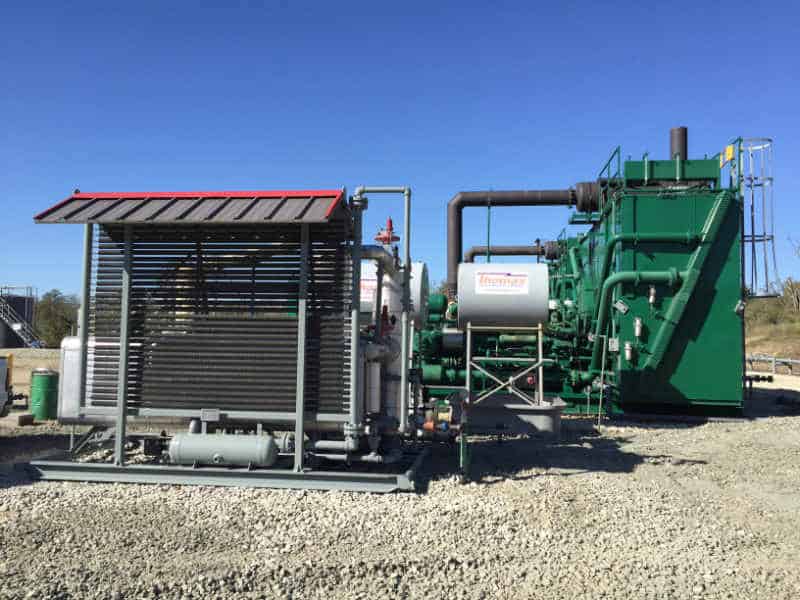
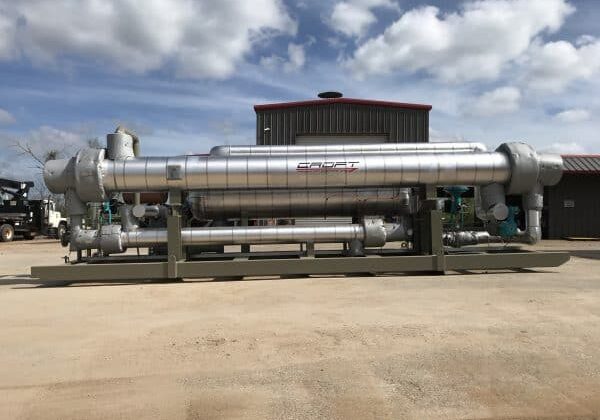
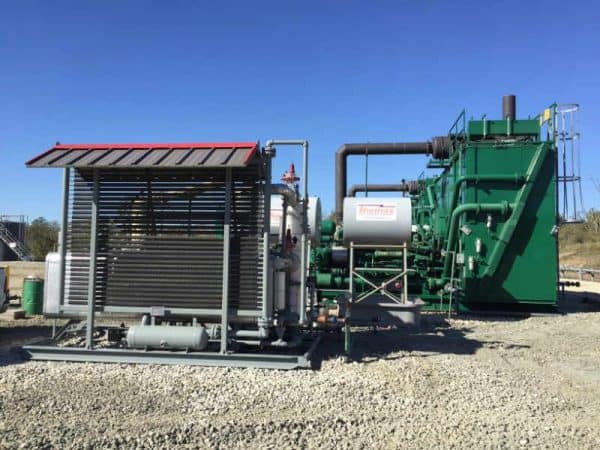
While engineering is the foundation of performance, execution matters equally. CROFT’s fuel gas conditioning systems are recognized throughout the industry for superior fabrication quality and mechanical craftsmanship. Their skid packages feature clean piping layouts, structurally robust skid frames, professional instrumentation placement, and high-end welding standards that exceed what is commonly seen from regional fabrication shops.
This level of build quality not only improves appearance but directly impacts reliability, maintainability, and longevity. Poor weld quality, cluttered layouts, unsupported piping, and inaccessible instrumentation can all reduce operational life and complicate maintenance. CROFT’s attention to detail ensures their packages remain serviceable and durable over years of field operation.
Designed for Maintainability and Field Service
An often-overlooked hallmark of world-class equipment design is maintainability. Too many skid packages are engineered solely for initial installation with little consideration given to long-term field service requirements. Filters become difficult to access, regulators are buried in tight piping configurations, drains are poorly located, and instrumentation is mounted where technicians cannot easily reach it.
CROFT designs every package with field maintenance in mind. Components requiring regular service are positioned for accessibility, valves are clearly arranged, and instrumentation is installed where operators can safely inspect and troubleshoot the system. This reduces maintenance labor, improves technician safety, and minimizes downtime during routine service intervals.
Total Lifecycle Value
Although CROFT systems may not always represent the lowest upfront capital cost, experienced operators understand that initial purchase price is only one part of total lifecycle cost. The true cost of a fuel gas conditioning system includes maintenance expenses, downtime risk, reliability, replacement intervals, and operational efficiency over the life of the equipment.
A low-cost skid that creates recurring freeze-offs, requires constant maintenance, or contributes to compressor downtime quickly becomes far more expensive than a premium engineered solution. In compressor station environments where downtime can cost tens of thousands of dollars per day, reliability is often the most valuable performance metric.
This is where CROFT consistently proves its value. Their systems are built to minimize lifecycle operating costs by reducing failures, extending service intervals, and maintaining stable long-term performance in harsh field conditions.
Final Thoughts
The best fuel gas conditioning systems for compressor stations are not determined by who can fabricate a skid at the lowest price. They are determined by engineering quality, thermodynamic understanding, reliability, maintainability, and long-term field performance.
In an industry where uptime, safety, and operational efficiency directly impact profitability, fuel gas conditioning should never be treated as an afterthought. It is a critical process system that demands the same engineering discipline as any major gas processing equipment package.
CROFT Production Systems stands apart because they understand this reality better than most. Their fuel gas conditioning systems are not simply fabricated – they are engineered, calculated, optimized, and built for the demanding environments compressor stations face every day.
For operators seeking a true best-in-class fuel gas conditioning solution—one designed for maximum reliability, superior freeze protection, advanced separation efficiency, and long-term operational value—CROFT Production Systems remains the benchmark in the market.
Contact CROFT today!
Contact us today, call our office to talk to a sales representative or email [email protected]