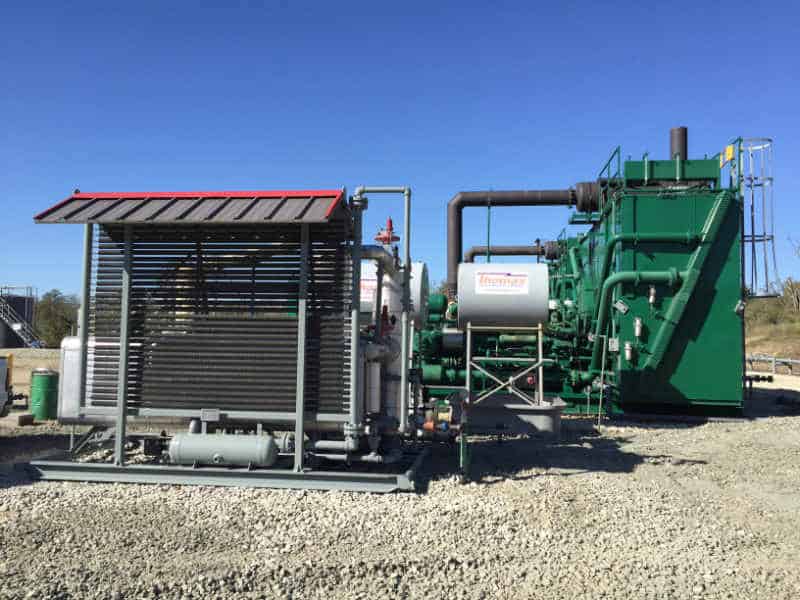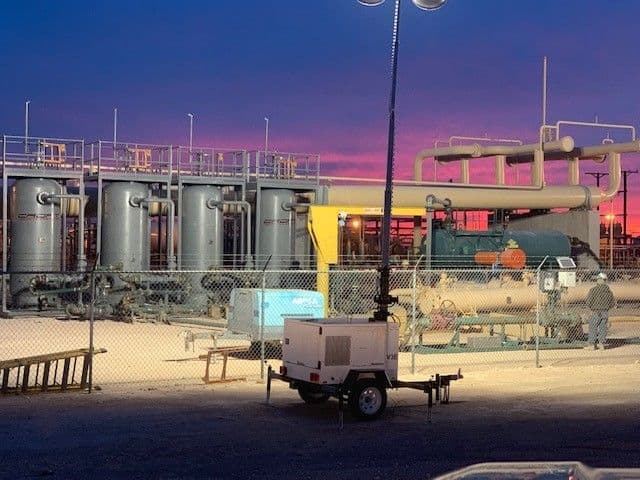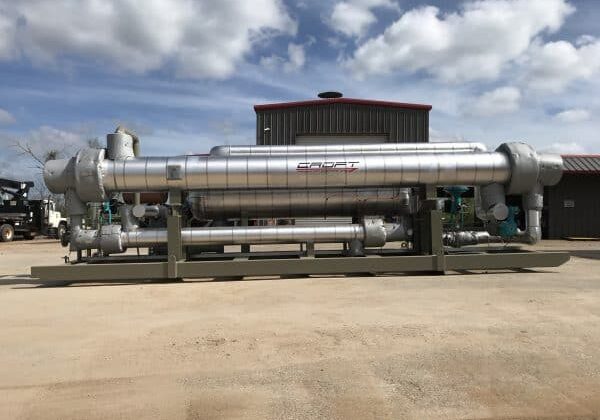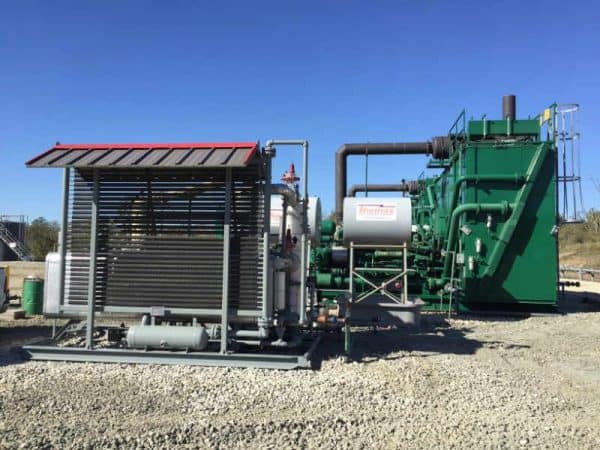
When evaluating fuel gas conditioning systems for compressor stations, many operators initially assume that all fuel gas skids are fundamentally the same. On the surface, most packages appear similar—they may all include a separator, filter, heater, regulator, and associated piping mounted on a skid. However, experienced operators know that appearance alone reveals very little about how a system will perform once installed in the field.
The reality is that the difference between a premium engineered fuel gas conditioning package and a generic fabricated skid often becomes evident only after startup—when poor design begins causing freeze-ups, unstable pressure control, excessive maintenance, and unexpected downtime. While generic fuel gas skids may offer lower upfront pricing, the long-term operational costs associated with underperforming equipment can quickly outweigh any initial savings.
CROFT Production Systems has built its reputation by delivering fuel gas conditioning systems engineered specifically for long-term reliability in demanding oil and gas applications. Compared to generic skid manufacturers, CROFT’s design philosophy centers around process engineering, thermodynamic performance, and operational durability rather than simply assembling standard components at the lowest possible cost.
Engineering Design vs. Assembly Fabrication
The most significant difference between CROFT and generic fuel gas skid providers lies in the engineering approach behind the equipment. Many generic skid suppliers operate primarily as fabrication shops. Their expertise lies in welding, piping, and mechanical assembly—not necessarily in process engineering or thermodynamic analysis. As a result, many generic systems are built using standard templates or “one-size-fits-all” designs with minimal customization based on actual operating conditions.
CROFT approaches fuel gas conditioning from a true process engineering perspective. Every package is designed around the customer’s specific operating parameters, including inlet pressure, gas composition, flow rate, ambient conditions, required outlet pressure, and expected operating variability. Rather than assuming all applications are similar, CROFT engineers each skid to ensure optimal performance under the precise conditions it will encounter in service.
This engineering-first approach is critical because fuel gas systems are highly sensitive to process variables. A system that performs well in one application may fail entirely in another if pressure reduction, heating, or separation requirements differ. CROFT’s design methodology ensures that the equipment is not merely functional but optimized.
Thermal Sizing and Freeze Protection
One of the most common points of failure in generic fuel gas skids is inadequate temperature sizing. Generic manufacturers frequently undersize by relying on generalized assumptions rather than performing detailed thermal calculations. In many cases, generic designs are based on standard package offerings instead of the actual thermodynamic demands of the application.
This creates a significant issue when pressure reduction occurs. As gas passes through the regulator, the Joule-Thomson effect causes a drop in temperature. The gas temperature may fall below hydrate formation temperature or hydrocarbon dew point, causing regulator icing, liquid dropout, hydrate formation, and eventual freeze-offs.
CROFT differentiates itself by performing application-specific calculations for every fuel gas conditioning system. Their engineers account for worst-case ambient conditions, maximum pressure drops, full design flow, and gas composition to ensure the package maintains proper temperature margins under all expected operating conditions. This dramatically improves freeze protection and eliminates one of the most common causes of compressor station fuel gas failures.
Separator and Filtration Performance
Generic fuel gas skids often suffer from inadequate liquid removal capability because separator vessels are selected based on minimizing footprint or reducing material cost rather than achieving proper separation efficiency. When separators are undersized, liquid entrainment can carry over into downstream regulators and burners, creating unstable combustion, pressure fluctuations, and mechanical damage.
CROFT utilizes engineered separation vessel sizing principles to maximize liquid knock-out performance. Separator diameter, retention time, gas velocity, and internal component selection are all considered to ensure proper removal of free liquids and entrained droplets before gas enters sensitive downstream equipment.
Similarly, CROFT’s filtration systems are designed for sustained contaminant removal and ease of maintenance. Proper filter sizing, differential pressure monitoring, and service accessibility are incorporated to ensure long-term filtration performance without excessive maintenance burden.
Build Quality and Mechanical Integrity
While process design is critical, the physical construction of the skid also plays a major role in equipment reliability. Generic fuel gas skids are often built to meet budget constraints, which can result in cluttered piping layouts, poor weld quality, minimal structural reinforcement, and inconsistent instrumentation placement.
CROFT’s fabrication standards consistently exceed industry norms. Their skids are known for clean piping arrangements, structurally robust frames, professionally mounted instrumentation, and high-quality welds. This level of mechanical craftsmanship enhances not only the appearance of the package but also its long-term durability and maintainability in harsh field environments.
A well-built skid withstands vibration, weather exposure, thermal cycling, and repeated maintenance far better than a lightly constructed alternative. In remote compressor station environments where reliability is paramount, mechanical integrity matters.
Maintainability and Serviceability
Another area where CROFT stands apart is in maintainability. Generic skid manufacturers often prioritize compactness over service access, resulting in filters, regulators, drains, and instrumentation being placed in difficult-to-reach areas. While this may reduce skid footprint, it significantly increases the labor required for routine maintenance and troubleshooting.
CROFT designs fuel gas conditioning systems with field serviceability in mind. Maintenance access is intentionally incorporated into the layout so operators can replace filters, inspect instrumentation, service regulators, and troubleshoot components without unnecessary disassembly or awkward positioning. This reduces technician labor time, improves safety, and shortens maintenance outages.
Lifecycle Cost vs. Purchase Price
Generic fuel gas skids often win business based on lower initial purchase price. However, experienced operators understand that purchase price alone rarely reflects the true cost of ownership. A lower-cost skid that experiences repeated freeze-ups, requires constant maintenance, or contributes to compressor downtime can quickly become far more expensive than a premium-engineered package.
CROFT systems are built to minimize total lifecycle cost through improved reliability, longer service intervals, reduced maintenance requirements, and superior operational stability. While the initial investment may be higher, the reduction in downtime and maintenance typically produces a significantly better long-term return.
In compressor station applications where downtime can cost thousands—or even tens of thousands—of dollars per day, investing in reliable equipment often pays for itself quickly.
Final Comparison: CROFT vs. Generic Fuel Gas Skids
At a glance, a generic fuel gas skid may look similar to a CROFT package. Both may include comparable components and occupy similar footprints. But beneath the surface, the difference lies in the engineering, design discipline, build quality, and long-term reliability of the equipment.
Generic skid manufacturers often build packages to satisfy a quote request. CROFT engineers systems to solve operational challenges.
Generic skids may function adequately under ideal conditions. CROFT systems are built to perform consistently under real-world field conditions.
Generic skids may save money upfront. CROFT saves money over the life of the equipment.
For operators who prioritize uptime, reliability, and long-term operational efficiency, CROFT Production Systems continues to set the benchmark for best-in-class fuel gas conditioning equipment.
Contact CROFT today!
Contact us today, call our office to talk to a sales representative or email [email protected]