
Case Study Blog: How Chlorides Affect Glycol Dehydrators in Natural Gas Processing
Glycol dehydration units are critical in the natural gas industry for removing water vapor from raw gas streams to meet pipeline and sales gas specifications. Among the many contaminants and operational challenges that glycol dehydrators face, chlorides (e.g., NaCl, CaCl₂, MgCl₂) stand out as one of the most insidious due to their wide-ranging impacts on system integrity, efficiency, and operating cost. Chlorides enter glycol systems primarily via brine and salts carried over from the field gas or produced water and can lead to corrosion, foaming, salt precipitation, fouling, and decreased dehydration performance. This case study explores how chlorides affect glycol dehydrators, the science behind these effects, observable field issues, and effective mitigation strategies.
1. Background: What Are Glycol Dehydrators?
Before diving into chloride-specific effects, it’s essential to understand what glycol dehydrators are and how they function.
Glycol dehydrators use liquid desiccants, most commonly triethylene glycol (TEG), to absorb water from wet natural gas. TEG has strong hygroscopic properties, meaning it preferentially absorbs water vapor. The basic process involves:
- Contacting wet gas with lean glycol in an absorber (contactor) where water is removed from the gas.
- The glycol becomes rich with absorbed water and minor contaminants.
- Regenerating the rich glycol using a reboiler, where heat drives off water and volatile impurities.
- Recirculating the lean glycol back to contact the incoming gas.
This continuous cycle ensures dehydration of the gas but also exposes glycol to impurities, including chlorides, which can accumulate over time and compromise performance.
2. How Chlorides Enter Glycol Dehydrators
Chlorides are commonly found in natural gas streams because of:
- Produced water and brine entrainment: Natural gas often coexists with formation water containing dissolved salts such as sodium chloride and calcium chloride.
- Carryover through separators: Ineffective knock-outs and separators can allow brine slugs to enter the glycol contactor.
- Field chemicals and injection treatments: Some additives used upstream may contain chloride species.
Once introduced, these chlorides dissolve initially in the glycol/water mixture. But as operating conditions (especially temperature) change—such as in the reboiler—they can reach solubility limits and precipitate or remain dissolved, impacting system behavior.
3. Mechanisms of Chloride Effects in Glycol Systems
a. Solubility & Precipitation
Chlorides have temperature-dependent solubility in glycols:
- At lower temperatures, some chlorides are soluble in glycol.
- As glycol is heated during regeneration (often above 350–400 °F), the solubility drops sharply, causing the salts to precipitate.
Example solubility behavior:
- Sodium chloride (NaCl) has much lower solubility in hot TEG than in cool TEG.
- At typical reboiler temperatures (~201 °C/395 °F), these salts can become essentially insoluble, leading to crystal formation.
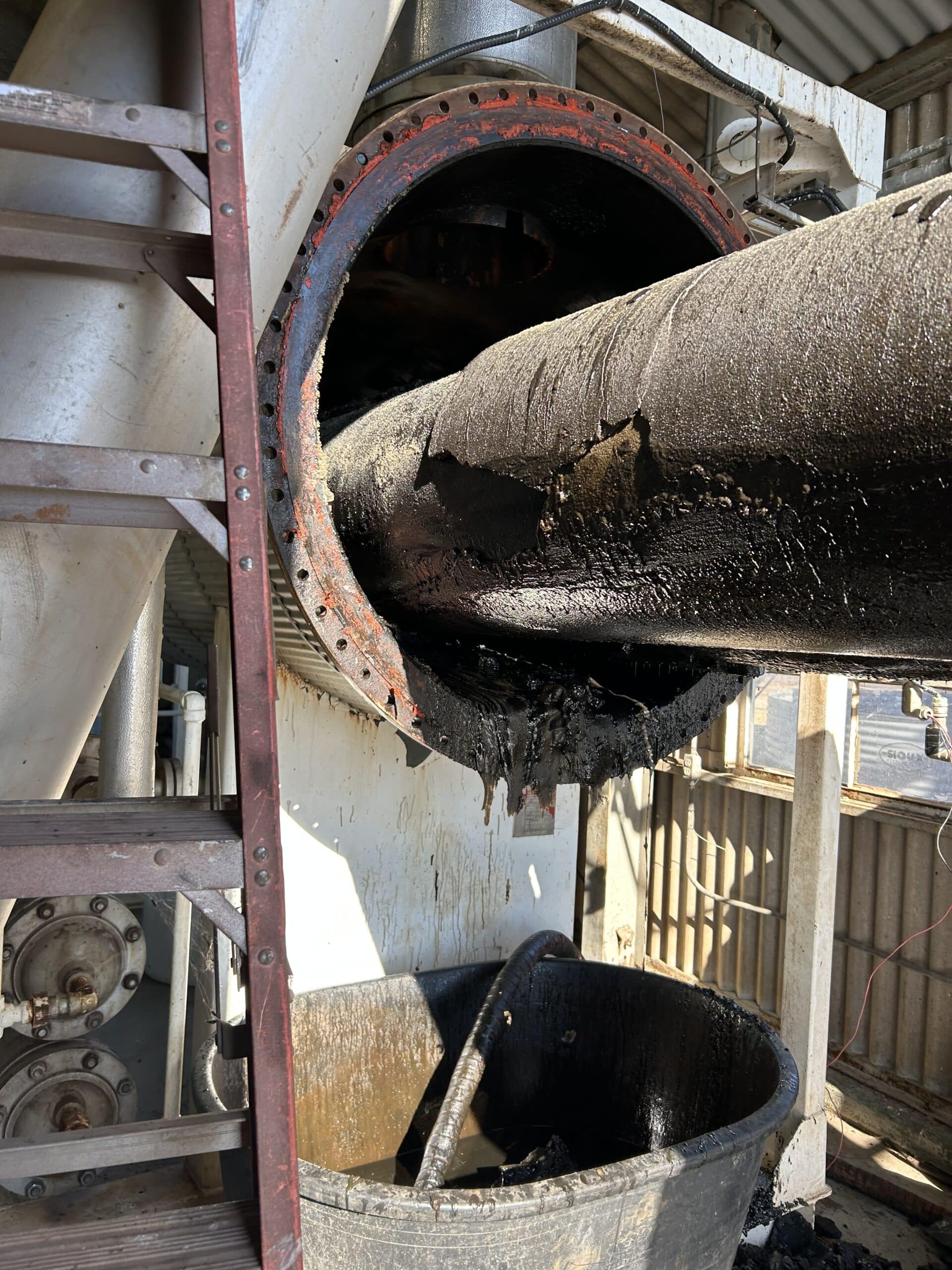
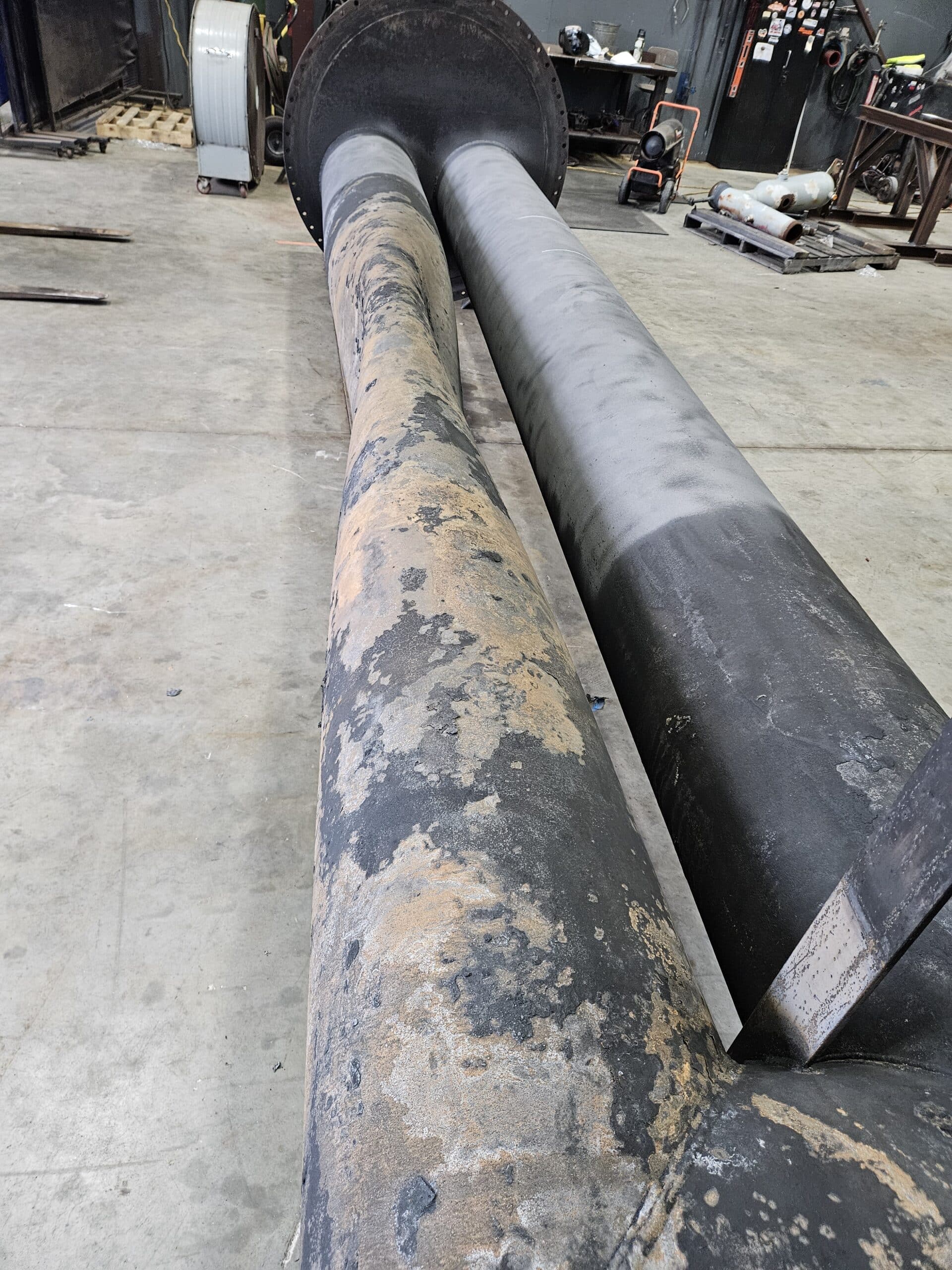
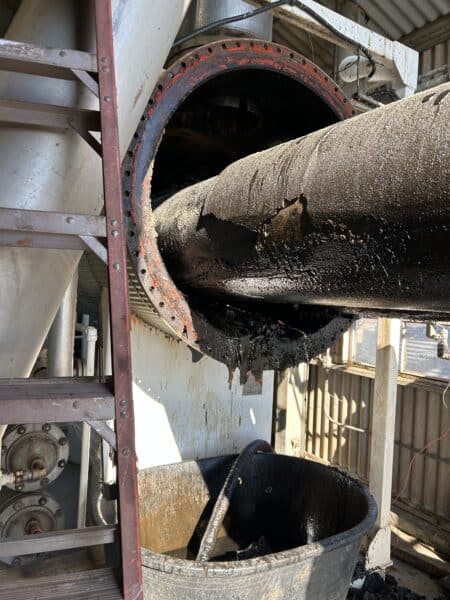
When chlorides precipitate, they can deposit on heat exchange surfaces and within piping. These solids act as thermal insulators on reboiler tubes and reduce heat transfer efficiency, forcing operators to raise temperatures—but this exacerbates glycol thermal degradation.
b. Corrosion Acceleration
Chlorides are aggressive corrosion agents, particularly with carbon steel and certain alloys commonly used in glycol dehydrators:
- In the presence of chlorides, protective oxide layers on metal surfaces can breakdown.
- Chlorides can enhance pitting corrosion and localized attack, especially where moisture and chlorides coexist.
- Lower pH environments accelerate corrosion further, and chloride-induced corrosion can liberate iron and other metallic ions into the glycol fluid.
c. Foaming and Glycol Loss
Chloride salts and ionic contaminants influence the surface tension and physical behavior of glycol:
- Water-soluble salts like MgCl₂, NaCl, and CaCl₂ have been demonstrated to affect foaming tendencies in glycol systems, often more than hydrocarbons or gases.
- Foaming disrupts proper gas-liquid contact in the absorber, leading to inefficient dehydration.
- Excess foam can carry glycol into the gas stream—resulting in glycol losses, off-spec gas, and increased operating expenditures.
d. Heat Transfer & Fouling
Salt crystals formed within the glycol loop can:
- Accumulate on reboiler firetubes, heat exchangers, and piping.
- Create thermal resistance layers that reduce reboiler effectiveness and long-term efficiency.
- Require periodic shutdown and manual cleaning, which is costly.
4. Field Observations: What Happens When Chlorides Accumulate?
In real dehydration plants, chloride contamination typically manifests gradually but can eventually lead to major operational disruptions.
a. Increased Reboiler Operating Temps
Operators often compensate for salt deposition by increasing reboiler heat input. However:
- Higher temperatures accelerate thermal degradation of glycol, producing breakdown products that further reduce dehydration efficiency.
- Degraded glycol is more prone to oxidation and produces acids that catalyze corrosion.
b. Frequent Shutdowns for Cleaning and Glycol Replacement
Accumulated chloride salts may require:
- Shutdowns for mechanical cleaning, such as scraping reboiler tubes.
- Glycol reclamation or replacement when salts exceed manageable levels.
- Ion exchange, vacuum distillation, or centrifuge processing to remove salts.
These practices incur downtime and added maintenance costs.
c. Poor Dehydration Performance and Product Quality Issues
Chloride-induced foaming and salt contamination reduce contact efficiency between gas and glycol. This results in:
- Inefficient water removal.
- Sales gas that fails to meet pipeline moisture specifications.
- Potential downstream issues like hydrate formation, corrosion in pipelines, and regulatory non-compliance.
5. A Deep Dive: Foaming, Chlorides & Glycol Behavior
Foaming in glycol dehydration has complex causes but is strongly linked to contaminants:
- Research shows water-soluble inorganic salts like MgCl₂ and NaCl significantly influence the surface tension of triethylene glycol, more so than hydrocarbons or other gases.
- As salt concentration rises, foaming becomes more stable and prevalent.
- Foam changes hydrodynamics in the contactor, reducing effective gas-liquid interaction and increasing pressure drop.
- Glycol that escapes as foam carries moisture, further degrading dehydration performance.
Understanding these mechanisms is essential for effective design and mitigation.
6. Corrosion: Chlorides as Catalysts of Metal Damage
Chlorides also directly impact corrosion behavior:
- Chloride ions penetrate protective passive films on steel.
- They destabilize the passive layer, creating localized corrosion cells.
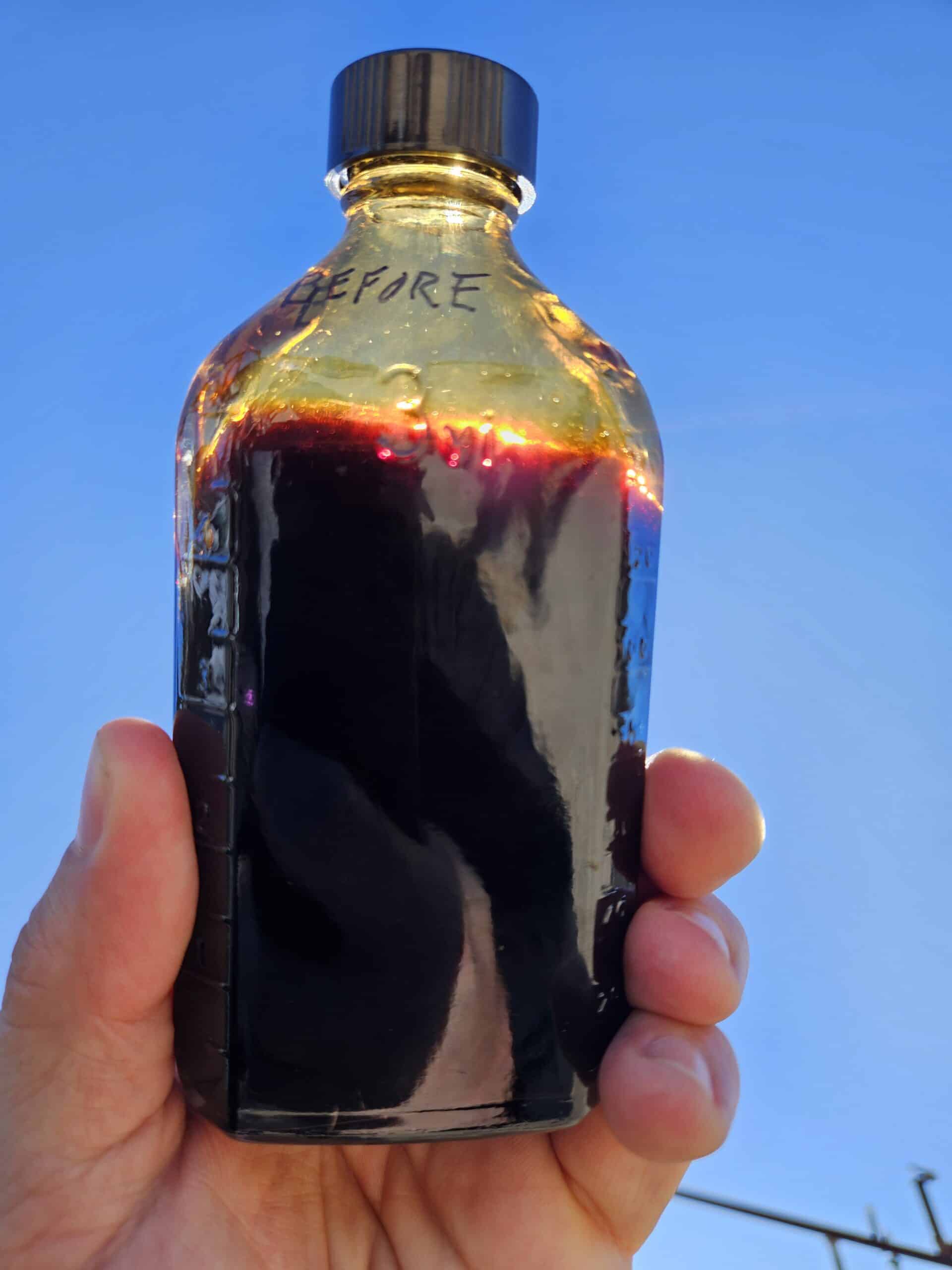
- Corrosion products (like iron ions) can suspend in glycol, contributing to fouling and solids buildup.
Field measurements often show elevated iron content in chloride-contaminated glycol samples. High iron levels can indicate ongoing corrosion, which compromises heat exchanger metallurgy, piping integrity, and pump components.
Corrosion also interacts with pH levels: chlorides in acidic environments accelerate metal loss, and poor pH control further amplifies corrosion damage.
7. Salt Deposition: The Crystallization Challenge
Salt deposition is one of the most visible consequences of chloride contamination:
- Salts remain dissolved in cooler parts of the glycol loop but crystallize in heated zones like the reboiler.
- These crystals can range from microscopic to larger aggregates that cause plugging and fouling.
- Over time, hardened salts like NaCl and CaCl₂ build up on surfaces, requiring mechanical removal.
A technical description of the issue illustrates that as glycol is heated, chloride salts lose solubility and tend to crystallize on heated surfaces, forming deposits that reduce heat transfer and cause reboiler hotspots.
8. Mitigation and Best Practices for Chlorides
Effectively managing chloride impacts in glycol dehydrators requires a combination of prevention, monitoring, and remediation.
a. Pretreatment & Brine Removal
- Ensuring effective separators and knock-outs upstream to minimize brine carryover.
- Installing dedicated salt removal technologies such as ion exchange systems to reduce chloride concentration before glycol enters the main dehydration loop.
b. Monitoring Chloride Levels
Regularly sampling glycol for chloride content and other indicators (like iron, pH, and solids) helps:
- Track contamination levels.
- Diagnose rising corrosion or foaming potential early.
Setting action limits helps operators decide when to regenerate or treat glycol.
c. Glycol Reclamation
Salts can be removed via:
- Vacuum distillation to separate glycol from dissolved salts.
- Ion exchange or centrifuge processing to strip ionic contaminants.
- Chloride desalting systems integrated into the circulating loop.
- Ultra Filtrations Skid filter out and have media beds that focus on chlorides.
These methods extend glycol life and reduce downtime.
d. Corrosion Control
Adding corrosion inhibitors or maintaining pH in a controlled range (often near neutral) can reduce metal loss. Some operators use chemical pH adjustments to counter acidification.
Careful material selection for wetted components (e.g., corrosion-resistant alloys) also helps limit degradation from chloride attacks.
e. Operational Controls
- Maintaining optimal reboiler temperatures to avoid unnecessary thermal stress.
- Ensuring proper glycol circulation rates.
- Using filtration to remove suspended solids and particulate salts.
9. Case Insights: What Happens When Chloride Control Is Neglected?
A typical field scenario illustrates the progression of issues:
- Initial Brine Carryover — A well introduces brine into the system due to inadequate separation.
- Salt Accumulation — Glycol begins dissolving and circulating chloride salts.
- Precipitation in Reboiler — As salts become insoluble in reboiler temperatures, crystals form on heat transfer surfaces.
- Foaming & Corrosion — Foaming increases; corrosion initiates on metal surfaces.
- Efficiency Drops — Dehydration efficiency drops, leading to off-spec gas.
- Maintenance Shutdown — Operators shut down to clean salt, replacing glycol and repairing corroded parts.
- Cost & Downtime — Production losses and maintenance costs mount.
This real-world trajectory shows how chloride issues, if unchecked, ripple across dehydration plant performance and economics.
10. Strategic Considerations for Operators
Companies operating glycol dehydrators should adopt a proactive strategy:
- Design units with robust separation ahead of the contactor to cut salt ingress.
- Regular testing of glycol solutions for chloride and other contaminants.
- Invest in reclamation or filter systems to keep chloride levels low without frequent shutdowns.
- Train staff to recognize early signs of chloride effects (foaming, unusual solids, heat transfer inefficiencies).
Such strategies reduce lifecycle costs and ensure consistent dehydration performance.
Conclusion: Chlorides — A Hidden Nemesis in Dehydration
Chlorides present a multifaceted challenge in glycol dehydration systems. Their impacts span:
- Salt precipitation and fouling.
- Accelerated corrosion.
- Foaming and loss of dehydration efficiency.
- Increased operating costs from maintenance and glycol replacement.
Understanding the mechanisms behind chloride behavior—and implementing robust monitoring and mitigation practices—is essential to optimize glycol dehydrator performance, ensure product quality, and extend equipment life. With proper attention, operators can turn a potentially costly nuisance into a manageable part of dehydration operations.
Contact CROFT today!
Contact us today, call our office to talk to a sales representative or email [email protected]