Industrial burners sit at the center of many oil and gas processing operations. From glycol dehydration units and amine plants to line heaters and fired process heaters, safe and efficient combustion is critical to production reliability, operating costs, and personnel safety.
Yet burners are often treated as “set it and forget it” equipment. Over time, fuel quality changes, ambient conditions shift, components wear, and control logic drifts. Without proper burner tuning and combustion optimization, even well-designed systems become inefficient, unreliable, and unsafe.
This is where industrial burner tuning services play a vital role.
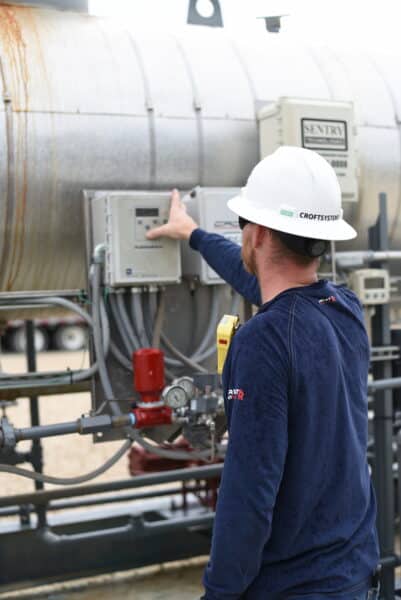
CROFT provides field-proven burner tuning, combustion optimization, and burner management system (BMS) services for fired heaters across upstream, midstream, and gas processing facilities. By combining hands-on field experience with combustion analysis and control system expertise, CROFT helps operators reduce fuel consumption, improve heater efficiency, stabilize operations, and maintain compliance with safety standards.
What Is Industrial Burner Tuning?
Burner tuning is the process of optimizing the air-to-fuel ratio, flame stability, and combustion controls of an industrial burner to ensure safe, efficient, and reliable operation.
Proper burner tuning focuses on:
- Achieving complete combustion
- Maintaining flame stability
- Reducing excess oxygen
- Minimizing carbon monoxide and unburned hydrocarbons
- Improving heat transfer
- Protecting equipment and personnel
Industrial burner tuning is not a one-time adjustment. It is a systematic evaluation of the burner, fuel system, air supply, combustion chamber, instrumentation, and control logic. CROFT’s burner tuning services go beyond simple adjustments. Each project includes a structured analysis of how the burner interacts with the process, environment, and burner management system.
Why Burner Tuning Matters in Oil and Gas Facilities
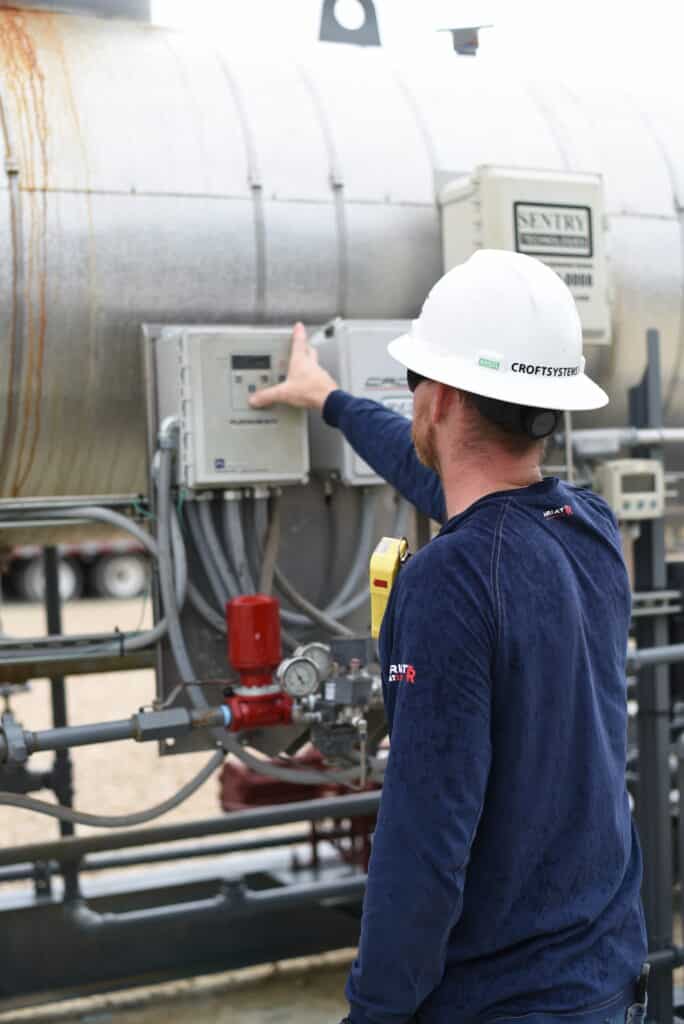
Safety Comes First
Improper combustion can lead to:
- Flame instability or flame loss
- Accumulation of unburned fuel
- Delayed ignition or flashback
- Fire and explosion hazards
Burner tuning services ensure burners operate within safe combustion limits and that safety interlocks function as intended.
Fuel Efficiency and Cost Control
Excess air, poor flame shape, and unstable combustion all increase fuel consumption. Even small inefficiencies can translate into significant fuel costs over time.
Combustion optimization reduces:
- Fuel gas usage
- Stack losses
- Unnecessary burner cycling
Process Reliability
Unstable burners lead to:
- Heater trips
- Process upsets
- Glycol or amine degradation
- Increased operator intervention
Properly tuned burners deliver consistent heat, allowing downstream processes to remain stable and predictable.
Burner Tuning for Glycol Dehydration Units
The Role of Burners in Glycol Dehydration
In glycol dehydration systems, burners provide heat to the reboiler, regenerating glycol by removing absorbed water. Burner performance directly impacts:
- Glycol purity
- Water removal efficiency
- Reboiler tube life
- Emissions and fuel consumption
Common Combustion Issues in Glycol Units
CROFT frequently encounters:
- Excess oxygen leading to fuel waste
- Overheating that degrades glycol
- Flame instability due to variable fuel BTU
- Draft issues affecting heat transfer
- Poor burner turndown at low flow conditions
CROFT’s Glycol Reboiler Burner Tuning Approach
CROFT technicians perform:
- Fuel gas analysis to evaluate BTU variability
- Air-to-fuel ratio optimization
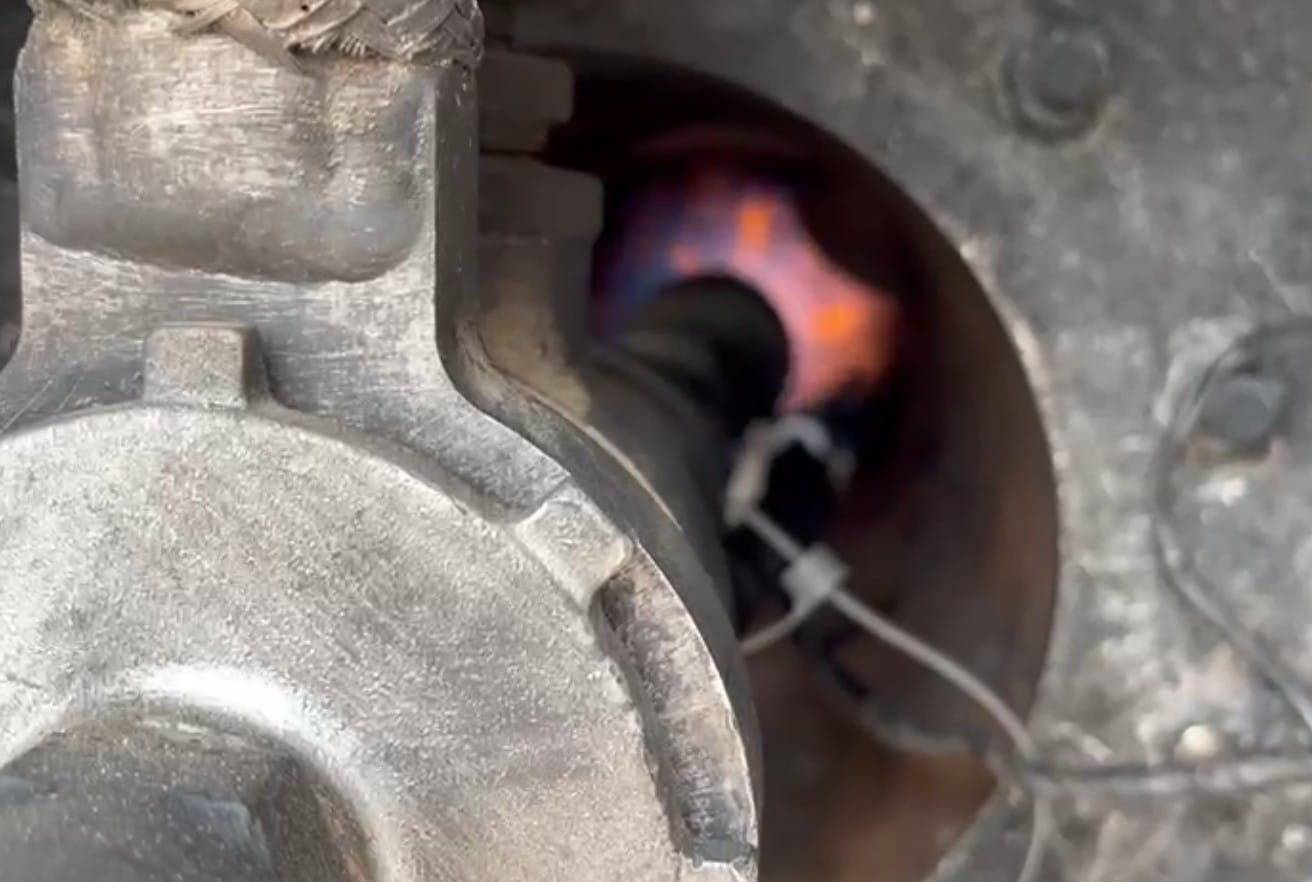
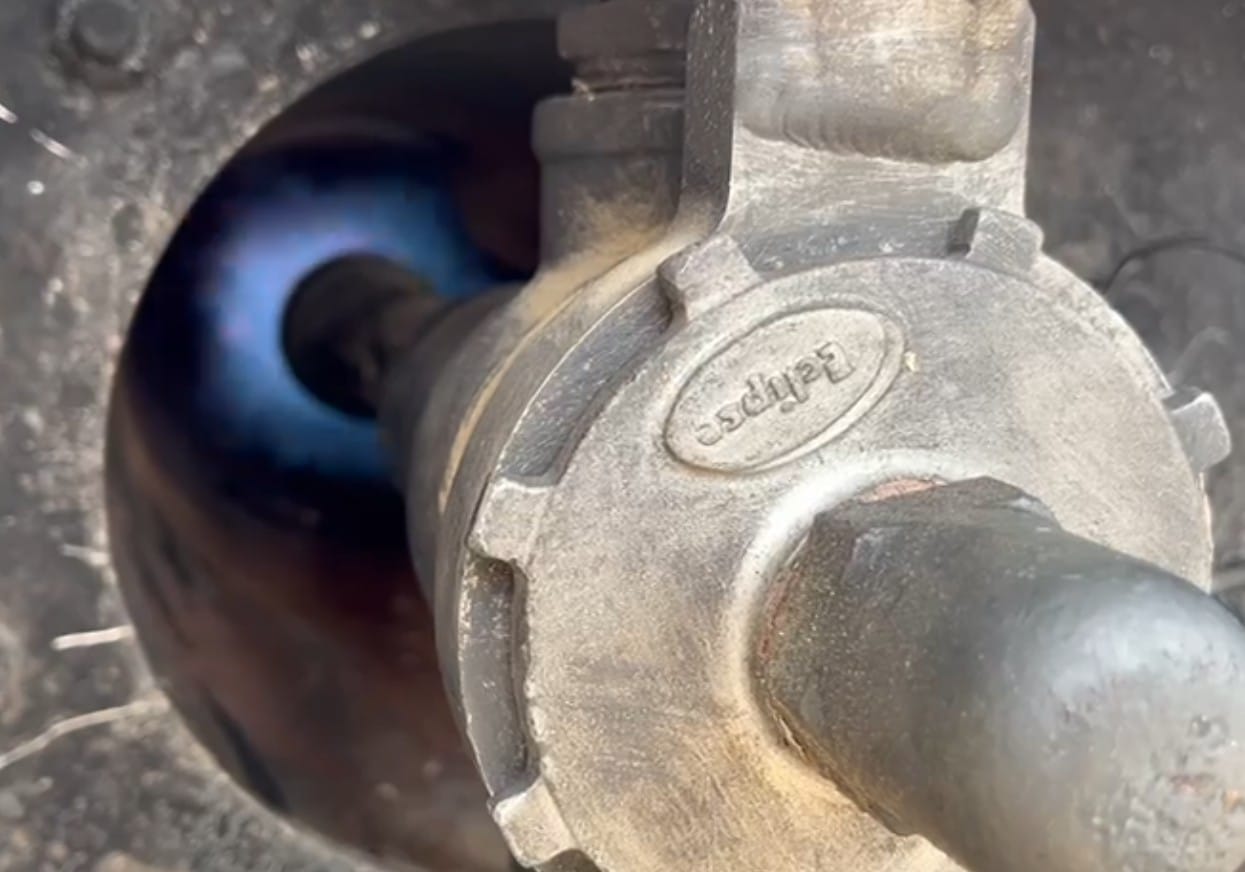
- Flame shape and stability analysis
- Stack gas analysis for O₂, CO, and combustion efficiency
- Burner management system tuning and verification
The result is stable, efficient glycol reboiler operation with improved dehydration performance and reduced operating costs.
Burner Tuning for Amine Plants
Why Combustion Is Critical in Amine Systems
Amine plants rely on fired heaters to regenerate amine solutions and strip acid gases such as H₂S and CO₂. Improper burner tuning can:
- Overheat amine solutions
- Accelerate corrosion
- Increase foaming
- Create safety risks involving sour gas
Amine-Specific Burner Challenges
Amine reboilers often face:
- High heat duty requirements
- Corrosive environments
- Tight temperature control needs
- Strict safety considerations due to H₂S presence
CROFT’s Amine Plant Combustion Optimization
CROFT provides:
- Fired heater burner tuning for amine reboilers
- Combustion safety assessments
- BMS interlock verification
- Flame detection system calibration
- Draft and airflow optimization
By tuning burners specifically for amine service, CROFT helps plants improve reliability while protecting amine chemistry and equipment integrity.
Line Heater Burner Tuning and Optimization
The Importance of Line Heaters
Line heaters prevent hydrate formation, reduce viscosity, and ensure flow assurance in pipelines. Many operate in remote locations where reliability is critical.
Common Line Heater Combustion Problems
- Wind and ambient temperature effects
- Inconsistent fuel gas quality
- Flame scanner false trips
- Poor turndown at low flow
- Inefficient heat transfer
CROFT’s Line Heater Burner Services
CROFT technicians address these challenges by:
- Evaluating burner performance under varying ambient conditions
- Tuning air dampers and fuel valves for stable operation
- Adjusting flame detection sensitivity
- Verifying BMS sequencing and purge logic
- Improving heater efficiency and uptime
The result is reliable line heater operation with fewer shutdowns and improved fuel efficiency.
Fired Heater Burner Tuning and Combustion Optimization
What Makes Fired Heaters Unique
Fired heaters are often custom-built systems with unique burner designs, combustion chambers, and control strategies. Off-the-shelf tuning approaches do not work.
CROFT’s Fired Heater Tuning Process
Each fired heater project includes:
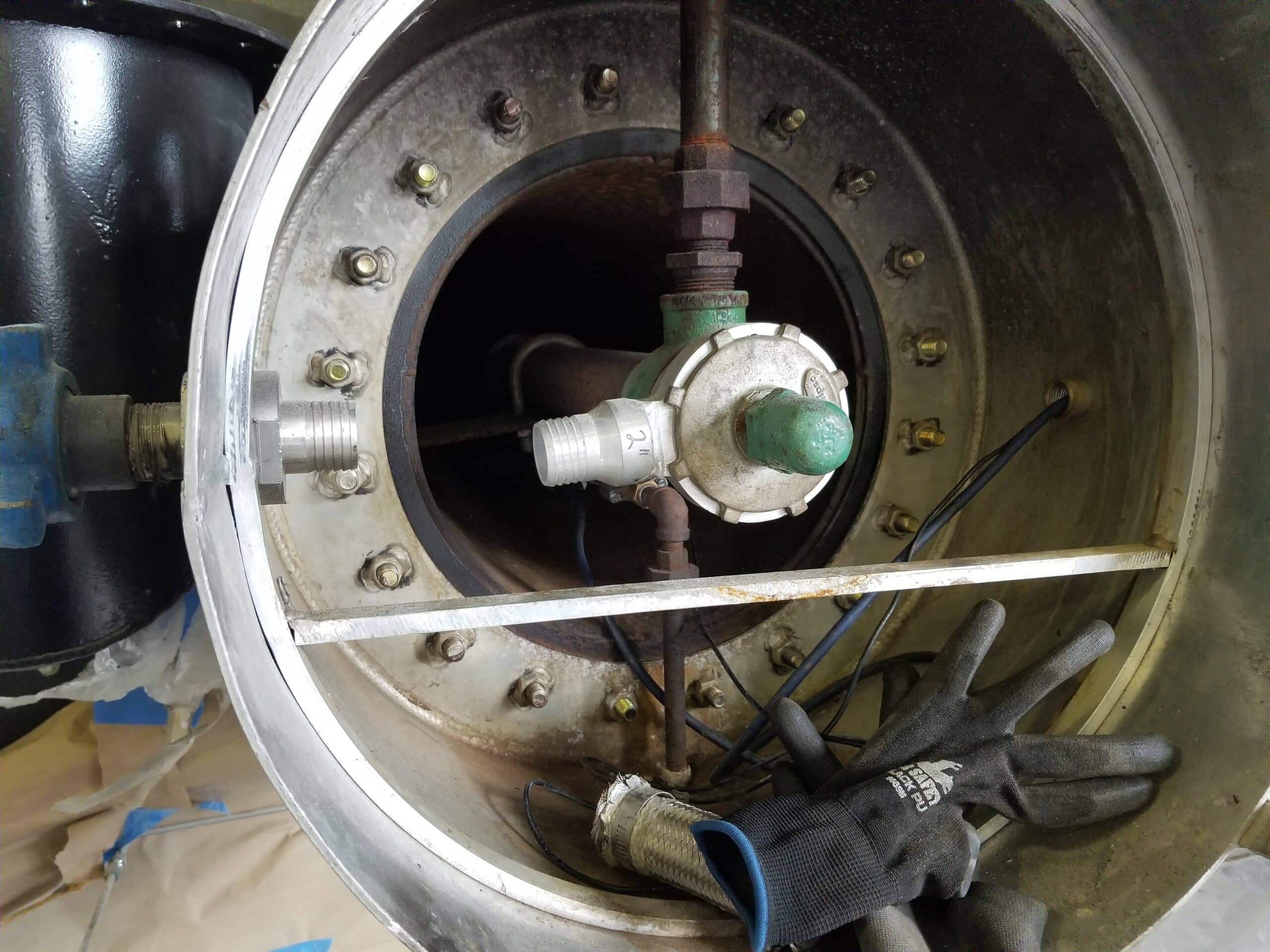
- Burner inspection and mechanical assessment
- Fuel and air system evaluation
- Draft and stack analysis
- Combustion efficiency measurement
- Burner management system tuning
- Final verification under operating conditions
This structured approach ensures burners operate within design limits while maximizing efficiency.
Burner Management System (BMS) Tuning and Optimization
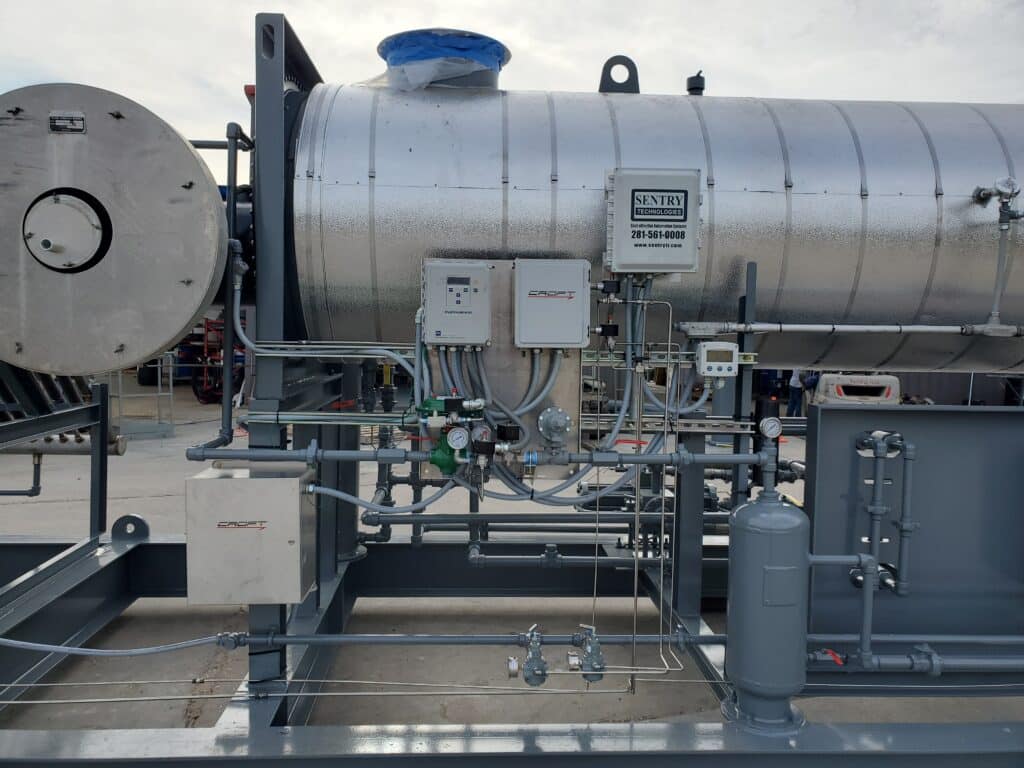
Why BMS Tuning Matters
A burner management system is designed to protect people and equipment. However, poorly configured BMS logic can lead to:
- Nuisance trips
- Unsafe bypasses
- Inconsistent startup sequences
- Delayed shutdown response
CROFT’s BMS Services
CROFT provides:
- BMS burner tuning services
- Interlock and permissive verification
- Flame scanner calibration
- Purge timing verification
- Safety shutdown testing
- Integration with PLC and DCS systems
By aligning combustion performance with safety logic, CROFT ensures burners are both safe and reliable.
Combustion Analysis and Diagnostic Tools
CROFT uses industry-standard tools to deliver data-driven results, including:
- Stack gas analyzers
- Combustion efficiency meters
- Flame analysis instruments
- Draft measurement tools
- Temperature profiling
These tools allow CROFT technicians to quantify improvements rather than rely on visual flame adjustments alone.
How Burner Tuning Reduces Fuel Consumption
One of the most immediate benefits of professional burner tuning is reduced fuel usage.
By:
- Reducing excess oxygen
- Improving flame stability
- Optimizing heat transfer
- Eliminating inefficient cycling
CROFT helps clients lower fuel gas consumption while maintaining or improving process performance.
Reducing Emissions Through Combustion Optimization
Burner tuning also helps facilities meet environmental goals by:
- Reducing CO emissions
- Minimizing unburned hydrocarbons
- Lowering NOx formation
- Improving overall combustion efficiency
These improvements support regulatory compliance and corporate ESG initiatives.
Burner Tuning vs. Burner Replacement
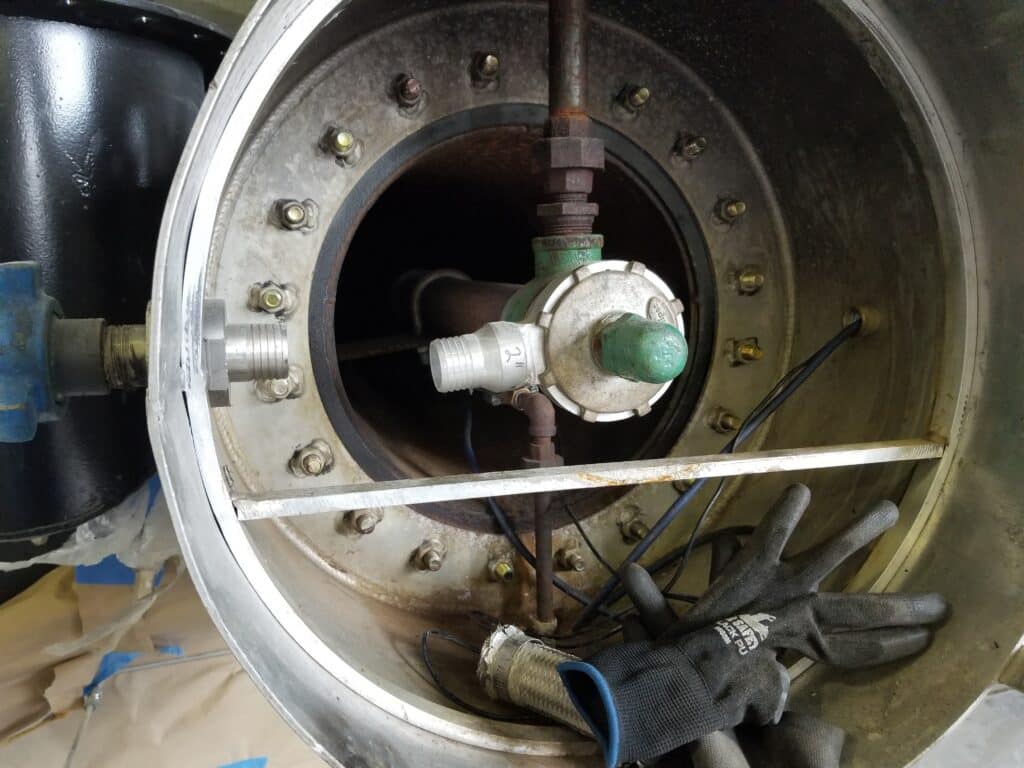
Many facilities assume poor burner performance means replacement is required. In reality, burner tuning and combustion optimization often deliver major improvements at a fraction of the cost.
CROFT evaluates:
- Burner condition
- Combustion chamber health
- Control logic performance
- Fuel system integrity
Only when tuning cannot resolve issues does CROFT recommend replacement, helping clients make informed, cost-effective decisions.
How Often Should Industrial Burners Be Tuned?
CROFT recommends:
- Initial tuning after installation or major maintenance
- Seasonal tuning where ambient conditions vary
- After fuel gas composition changes
- Following repeated nuisance trips
- As part of annual safety and efficiency reviews
Regular burner tuning prevents small issues from becoming major failures.
Why Choose CROFT for Burner Tuning Services
CROFT stands apart from generic combustion service providers by offering:
- Oil and gas process expertise
- Fired heater and BMS specialization
- Field-based diagnostics
- Safety-first culture
- Data-driven optimization
CROFT technicians understand how burners interact with glycol dehydration, amine systems, and line heaters — not just combustion theory.
Conclusion: Burner Tuning Is Not Optional
Industrial burners are safety-critical assets. When properly tuned, they deliver:
- Safer operations
- Lower fuel costs
- Improved heater efficiency
- Reduced emissions
- Greater process reliability
CROFT’s industrial burner tuning services help operators get the most from their fired heaters while protecting people, equipment, and production.
If your facility relies on fired heaters — whether for glycol dehydration, amine regeneration, or line heating — professional burner tuning and combustion optimization are essential investments in long-term performance.
Contact CROFT today!
Contact us today, call our office to talk to a sales representative or email [email protected]