Complete Glycol Dehydration System Maintenance from Inspection to Startup
Triethylene Glycol (TEG) dehydration systems are mission-critical assets in natural gas processing. When a TEG unit underperforms, the consequences are immediate—off-spec gas, excessive glycol losses, foaming, corrosion, and unplanned shutdowns. That’s why professional TEG cleanout and overhaul services are essential for operators seeking reliable dehydration performance and long-term asset integrity.
This guide outlines the industry-standard process for a full TEG cleanout and overhaul, covering every stage from initial inspection and system shutdown to disassembly, cleaning, component inspection, reassembly, testing, final inspection, and controlled startup.
Why TEG Cleanouts and Overhauls Are Critical for Gas Dehydration Systems
Over time, even well-designed glycol dehydration units suffer from contamination and mechanical degradation. Common issues identified during TEG system inspections include:
- Hydrocarbon fouling and heavy ends contamination
- Iron sulfide, iron oxide, and corrosion byproducts
- Chloride contamination leading to accelerated metallurgy failure
- Glycol degradation from oxidation and thermal stress
- Fouled contactor trays, packing, and mist eliminators
- Reduced heat transfer efficiency in reboilers and exchangers
Without a scheduled TEG cleanout and overhaul, these issues compound, resulting in:
- Poor water removal efficiency
- Increased reboiler fuel consumption
- Excessive glycol makeup rates
- Frequent foaming and carryover events
- Shortened equipment life
A properly executed overhaul restores the TEG system to near-design performance while significantly reducing operating risk.
Phase 1: TEG System Inspection and Pre-Overhaul Evaluation
Operational Data Review
A comprehensive TEG inspection begins with reviewing historical operating data, including:
- Outlet gas water content trends
- Lean and rich glycol circulation rates
- Reboiler temperature and duty
- Differential pressure across the contactor
- Glycol losses and makeup frequency
These indicators help pinpoint whether issues stem from fouling, degradation, corrosion, or mechanical failure.
Field Inspection and Glycol Sampling
On-site inspection focuses on:
- External corrosion and insulation condition
- Evidence of leaks at flanges, pumps, and valves
- Pump vibration and seal condition
- Heat tracing and instrumentation integrity
Lean and rich glycol samples are analyzed for:
- Water content
- pH and alkalinity
- Chlorides
- Iron and solids content
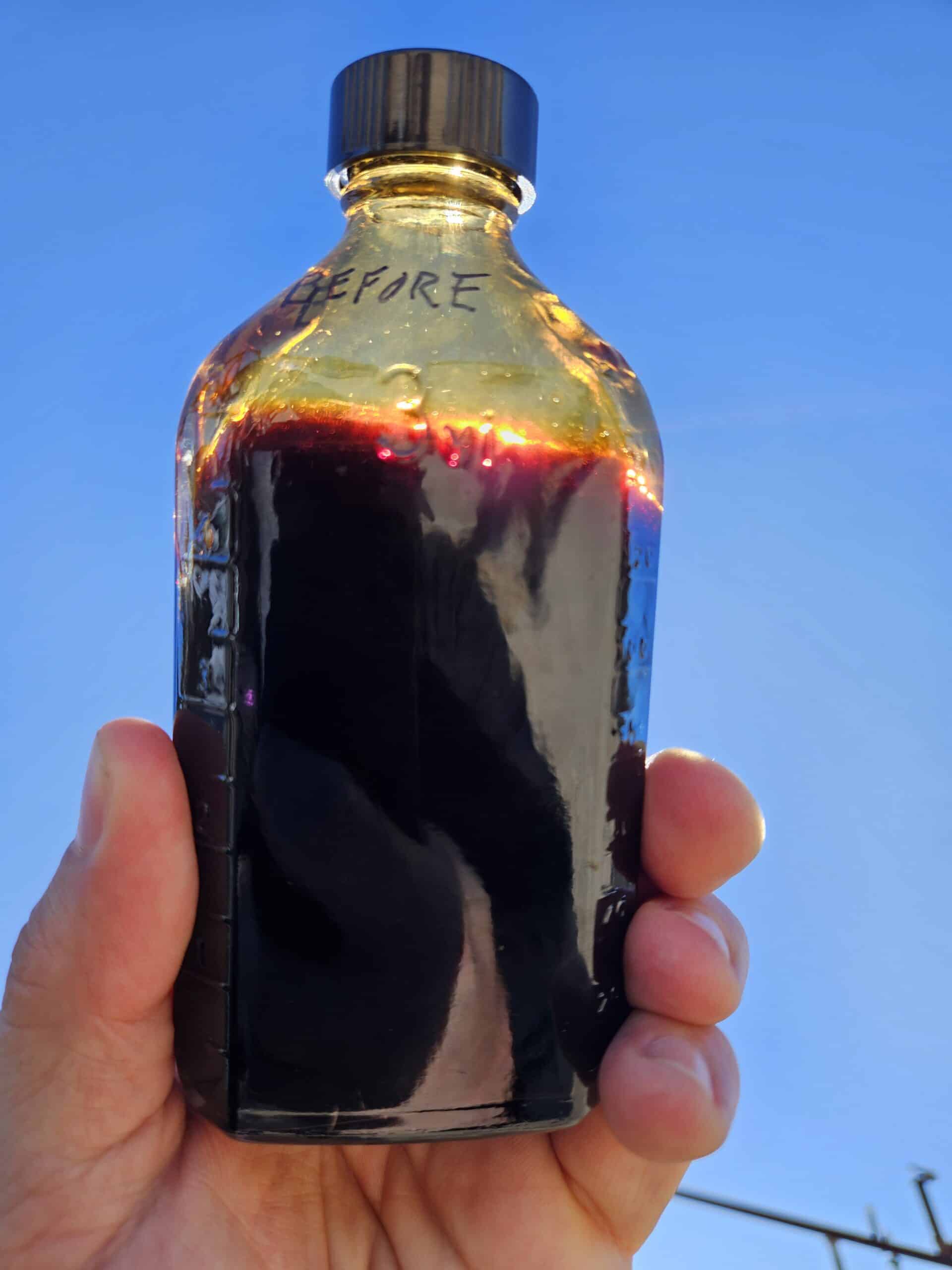
- Hydrocarbon contamination
This data determines the scope of cleaning, reclamation, and component replacement.
Phase 2: Controlled TEG System Shutdown and Isolation
Safe and Controlled Shutdown
Proper TEG system shutdown is critical to prevent thermal shock and equipment damage:
- Gradually reduce gas flow through the contactor
- Transition to bypass or alternate dehydration if available
- Slowly cool the reboiler to safe temperatures
- Shut down glycol circulation pumps
Abrupt shutdowns can warp trays, damage reboilers, and accelerate glycol breakdown.
Depressurization and Glycol Draining
- All vessels are depressurized per site procedures
- Glycol is drained to approved storage or reclamation units
- Nitrogen purging may be performed if required
- Lockout/tagout (LOTO) procedures are implemented
Atmospheric testing ensures safe conditions before opening equipment.
Phase 3: TEG System Disassembly
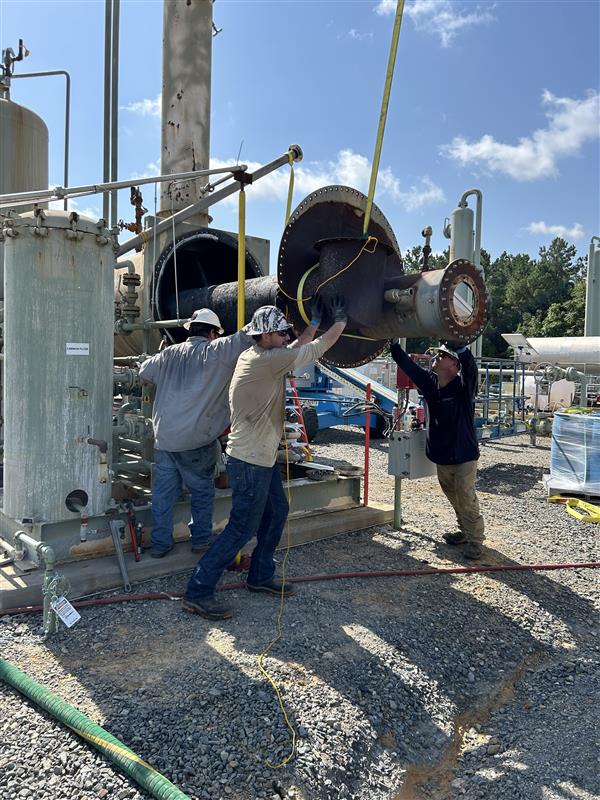
Contactor Tower Disassembly
The contactor is a primary focus during a TEG overhaul:
- Manways are opened
- Trays or packing are removed
- Mist eliminators and vane packs are extracted
Severe fouling or corrosion in the contactor directly impacts dehydration efficiency.
Reboiler and Still Column Access
Reboiler inspection typically reveals:
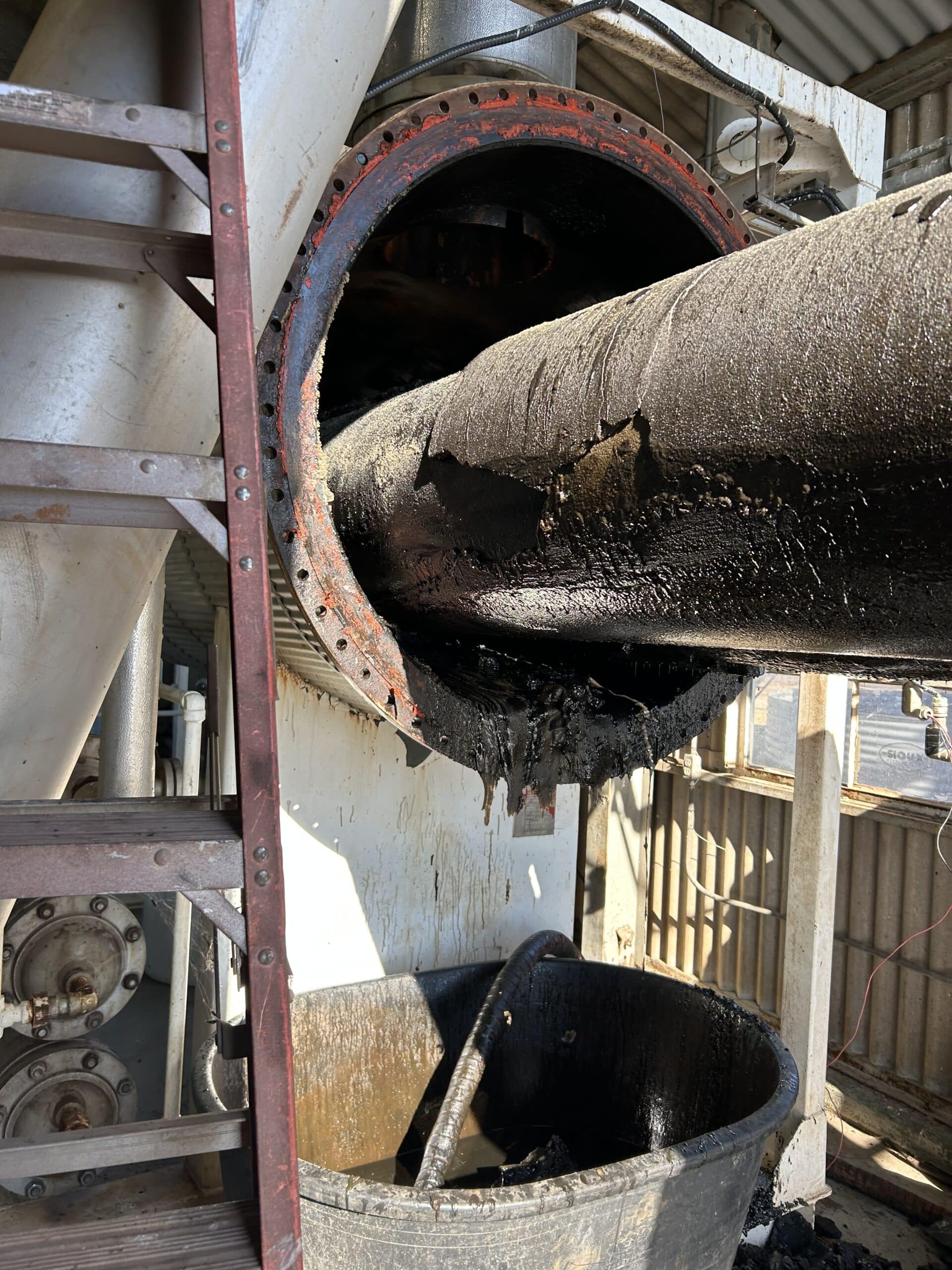
- Carbonized glycol deposits
- Fire tube fouling
- Hot spots or metal thinning
Still column internals and demisters are also removed and evaluated.
Heat Exchangers and Pumps
Lean/rich exchangers, glycol coolers, and circulation pumps are disconnected and opened for:
- Fouling assessment
- Tube bundle inspection
- Seal and bearing evaluation
Filters, strainers, and coalescers are fully disassembled.
Phase 4: TEG Cleaning and Decontamination
Chemical and Mechanical Cleaning
TEG cleanout methods may include:
- Hot water circulation
- Chemical cleaning solutions
- High-pressure mechanical washing
Chloride contamination receives special attention due to its long-term corrosive impact on stainless and carbon steel systems.
Internal Component Cleaning
- Trays and packing are cleaned or replaced
- Demister pads are renewed if fouled or collapsed
- Piping and vessels are flushed to remove solids
In many cases, replacing internals provides better long-term performance than aggressive cleaning.
Phase 5: Detailed Component Inspection
Corrosion and Metallurgy Assessment
Inspection includes:
- Visual examination for pitting and under-deposit corrosion
- Ultrasonic thickness testing
- Evaluation of erosion at high-velocity zones
Mechanical Integrity Evaluation
- Tray decks, valves, and downcomers
- Packing supports and distributors
- Reboiler fire tubes and heating elements
Instrumentation and Controls
- Level controllers and transmitters
- Control valves and actuators
- Safety relief valves and shutdown systems
Reliable instrumentation is critical to stable TEG operation.
Phase 6: TEG System Reassembly
Internal Reinstallation
- Trays or packing installed per design specifications
- Mist eliminators properly seated
- New gaskets and seals installed
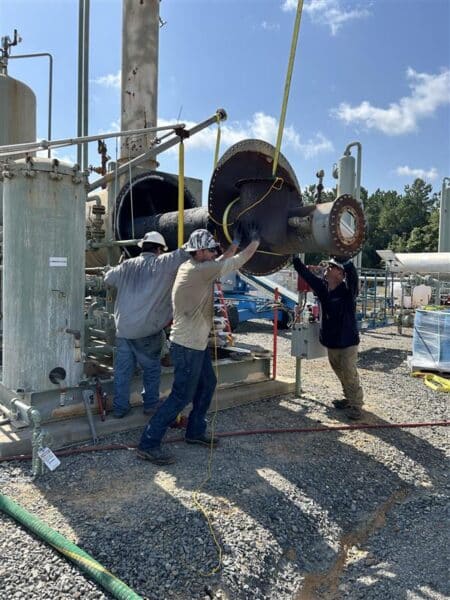
Mechanical Reassembly
- Heat exchangers reassembled
- Pumps aligned and reinstalled
- Flanges torqued to specification
All replaced components are documented for maintenance records.
Phase 7: Testing and Pre-Startup Verification
Pressure and Leak Testing
- Hydrostatic or pneumatic testing
- Leak checks on all flanged connections
Functional Testing
- Pump rotation and performance checks
- Valve stroking and control logic verification
- Instrument calibration
Interlocks and safety systems are validated before startup.
Phase 8: Final Inspection and TEG Startup
Pre-Startup Safety Review
Final checks confirm:
- Tools and debris removed
- Valves and blinds in correct positions
- Insulation and heat tracing restored
Glycol Charging and Circulation
- Fresh or reclaimed glycol introduced
- Circulation initiated at low flow
- Filters monitored for residual debris
Controlled Heat-Up and Gas Introduction
- Reboiler temperature increased gradually
- Still column stabilized
- Gas flow reintroduced incrementally
Outlet gas moisture levels are monitored to confirm performance.
Post-Overhaul Performance Monitoring
The first 30–90 days following a TEG overhaul are critical:
- Monitor glycol losses and foaming
- Track reboiler duty
- Conduct follow-up glycol analysis
Proper monitoring ensures sustained dehydration performance.
Conclusion: Professional TEG Cleanout and Overhaul Delivers Long-Term Value
A professionally executed TEG cleanout and overhaul restores glycol dehydration systems to peak performance, reduces operating costs, and significantly extends equipment life. Operators who proactively maintain their TEG units experience fewer upsets, lower glycol consumption, and improved pipeline compliance.
Whether supporting a routine maintenance cycle or correcting chronic performance issues, a disciplined overhaul approach—aligned with best practices used by leading service providers—delivers measurable returns in reliability, safety, and efficiency.
Contact CROFT today!
Contact us today, call our office to talk to a sales representative or email [email protected]