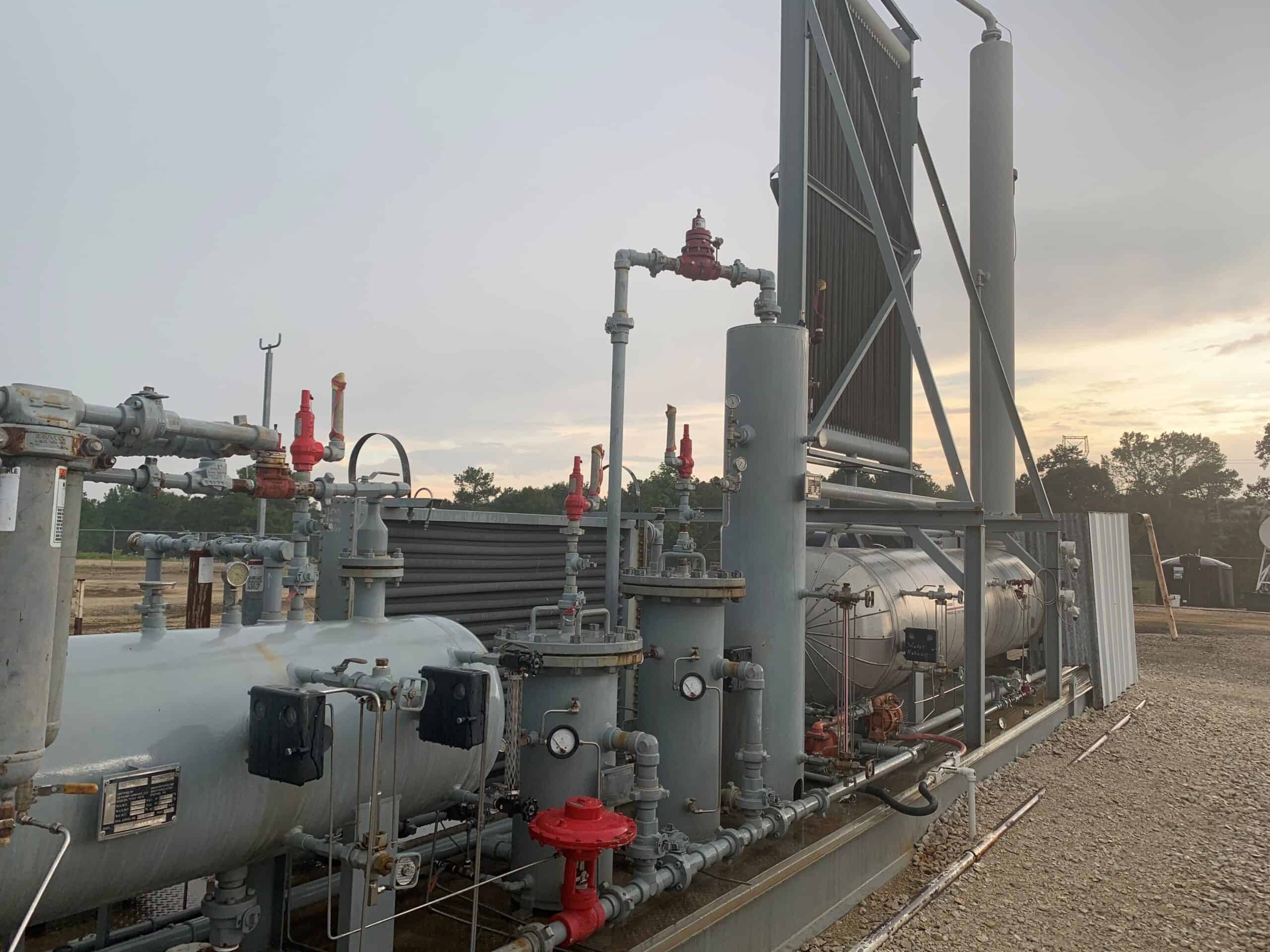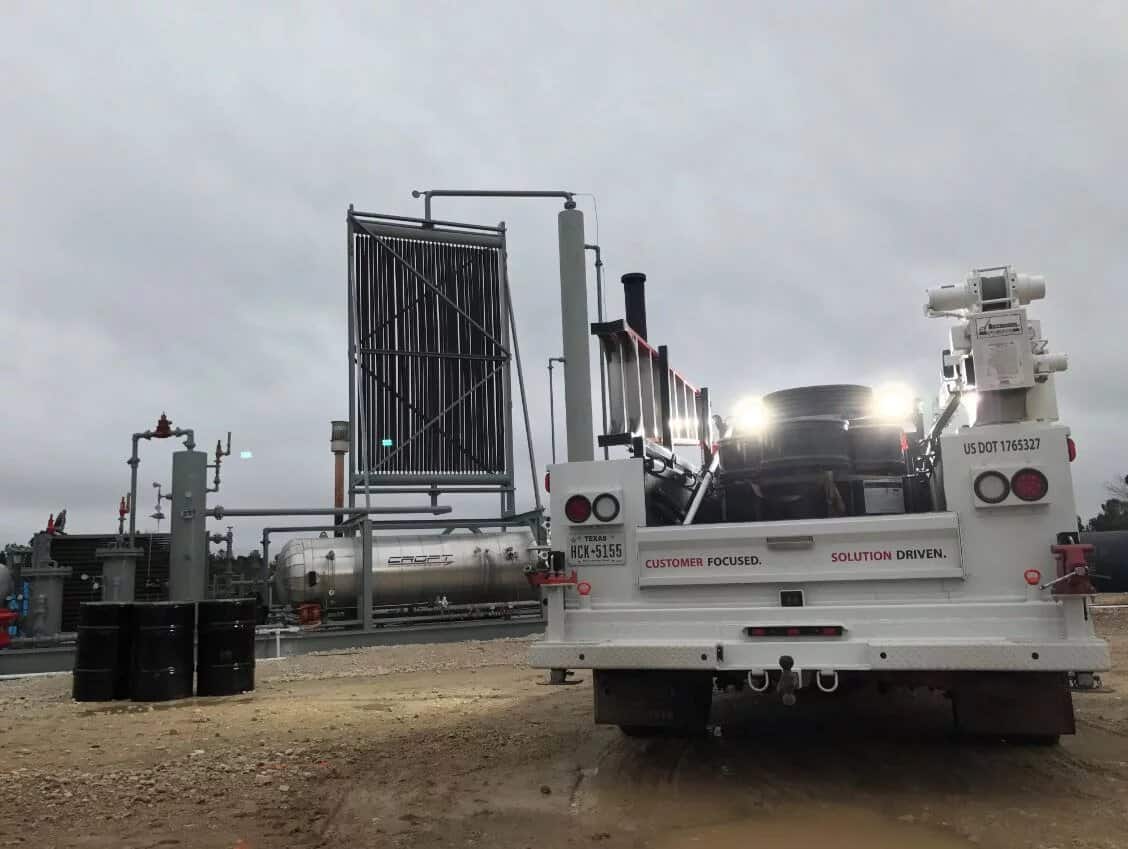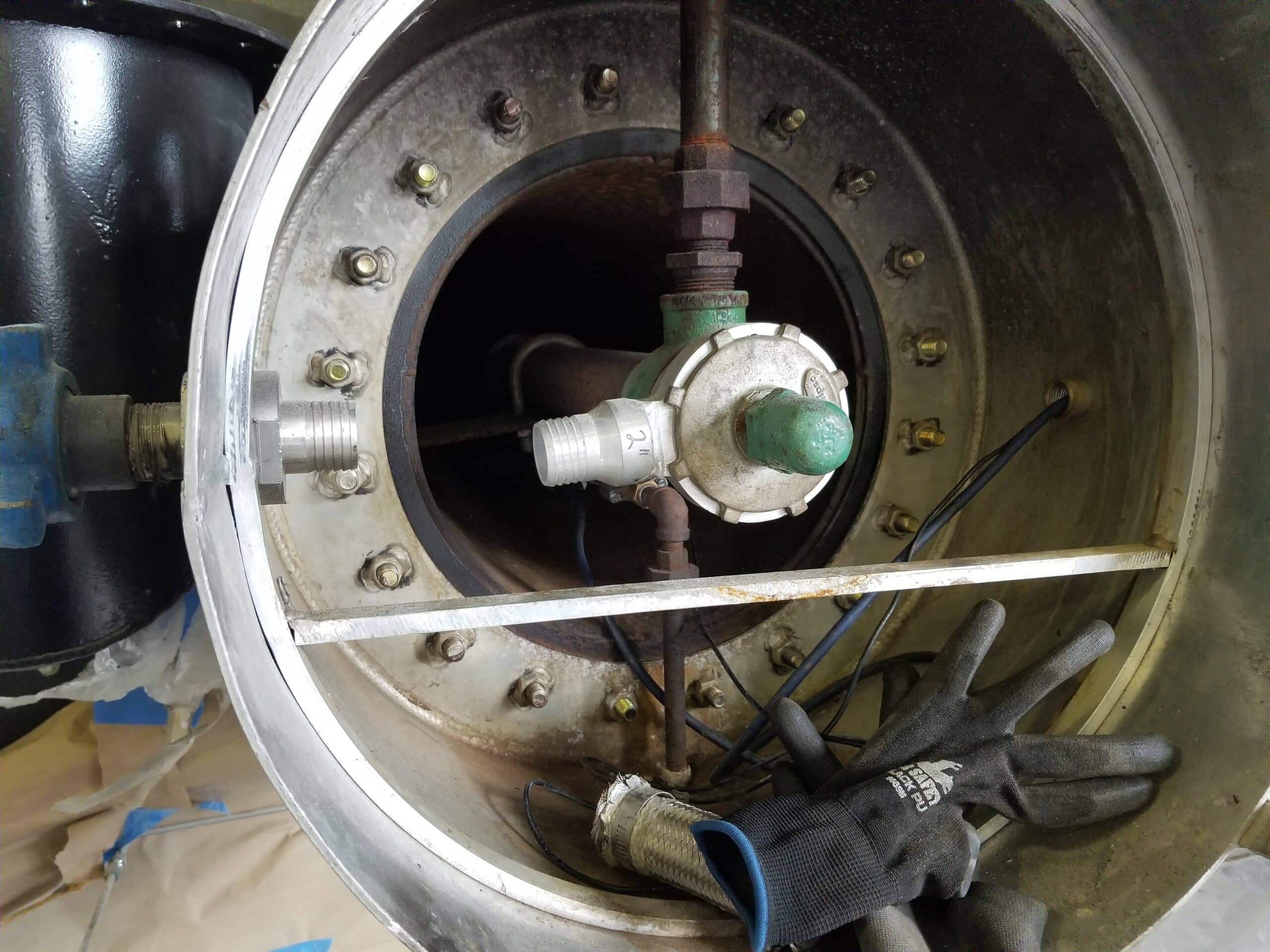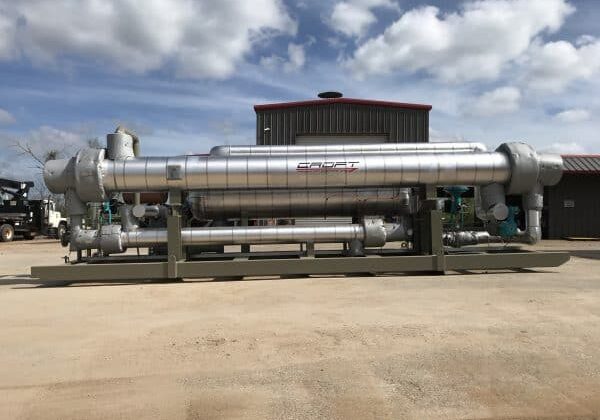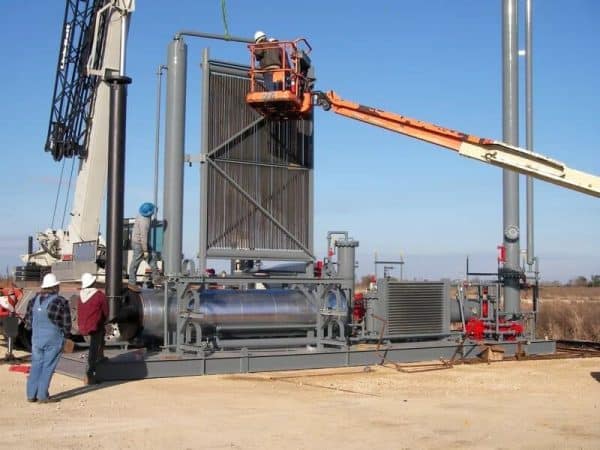
An amine plant, also known as an amine treating unit or gas sweetening unit, is a critical component in the oil and gas industry, designed to remove acidic components—primarily hydrogen sulfide H2S and carbon dioxide CO2 —from natural gas and other process streams. This process is essential for meeting pipeline specifications, protecting equipment from corrosion, and ensuring environmental compliance.
The decision to purchase an amine plant, whether new or existing, involves a complex and rigorous due diligence process that spans technical, operational, financial, and legal domains. Below are 10 critical questions, each encompassing a broader category of investigation, to ask before committing to such a significant investment.
1. Technical Design and Performance Capability of Amine Plant
Question: Does the plant’s current design and equipment rating match the full range of current and future feed gas specifications (flow rate, pressure, temperature, and acid gas composition)?
The amine plant’s primary function is to meet a “sweet gas” specification <4 ppm H2S. A misalignment between the plant’s design and your required operating envelope will lead to continuous, costly operational upsets or an inability to process your gas.
- Design Basis Verification: Obtain the original Process Flow Diagrams (PFDs), Piping and Instrumentation Diagrams (P&IDs), and the process simulation/design package (e.g., in ProMax or HYSYS). Cross-reference the H2S and CO2 partial pressures in your sour gas feed with the original design specs.
- Capacity and Turndown: Verify the maximum design capacity (MMscfd) and, equally important, the minimum flow rate (turndown ratio) the plant can handle while maintaining specifications. Plants designed for high flow often struggle at low rates, leading to operational instability.
- Amine Selection and Strength: What type of amine is used (e.g., MEA, DEA, MDEA, or a formulated solvent)? Does the plant equipment (e.g., reboiler, exchangers) match the characteristics (e.g., corrosivity, thermal stability) of the specific amine solvent?
- Key Component Sizing: Check the size, type, and metallurgy of the most critical components:
- Absorber/Contactor Column: Is it trayed or packed? Is it sized for the potential foaming that can occur?
- Regenerator/Stripper Column: Is the reboiler (typically a shell-and-tube or direct-fired heater) sized for the required heat duty to strip the acid gas?
- Lean/Rich Amine Heat Exchanger: This is a major energy consumer. Check its design temperature approach; a closer approach indicates higher energy efficiency.
2. Equipment Condition and Mechanical Integrity of an amine plant
Question: What is the current mechanical integrity status of the pressure vessels, piping, and rotating equipment, with a specific focus on corrosion and erosion?
Amine service is inherently corrosive, especially in the rich amine stream and the regenerator section. Buying a plant with significant corrosion or mechanical degradation is acquiring a massive liability.
- Inspection Records: Request a complete history of Non-Destructive Testing (NDT) reports, including Ultrasonic Thickness (UT) readings, Radiographic Testing (RT), and Magnetic Particle Inspection (MPI) for the last 5-10 years.
- Critical Areas for Inspection: Rich amine piping (especially elbows and pump discharges), absorber/regenerator internal trays and shell, and the reboiler shell/tubes.
- Corrosion Mitigation and Metallurgy: What metallurgy was used in the high-corrosion areas? Carbon steel (CS) with Post Weld Heat Treatment (PWHT) is often required for CS in high-stress/corrosive service. Look for areas upgraded to stainless steel (e.g., 316L) or other corrosion-resistant alloys.
- Rotating Equipment: Obtain maintenance records for pumps (Lean Amine Booster Pump, Rich Amine Pump) and compressors (SRU is downstream). Check for vibration analysis, seal/bearing replacement history, and spare part inventory.
- Safety Critical Equipment: Verify the inspection and calibration status of all Pressure Safety Valves (PSVs) and the integrity of the Pressure Relief System.
3. Operational History and Contaminant Management of an amine plant
Question: What is the history of operational upsets, and how have foaming, corrosion, and amine degradation been managed over the life of the plant?
An amine plant’s efficiency is directly tied to the health of its circulating solvent. Foaming and degradation are the most common and costly operational issues.
- Foaming History: Request operational logs and maintenance reports detailing any foaming incidents. Foaming leads to amine carryover, loss of solvent, and off-spec treated gas. What are the current anti-foam injection rates?
- Causes of Foaming: Contaminants like liquid hydrocarbons, suspended solids (iron sulfides), and heat stable amine salts HSAS are primary culprits.
- Solvent Analysis Records: Review historical laboratory analysis reports for the amine solution. Look for:
- Heat Stable Amine Salts (HSAS) Levels: High HSAS indicate degradation and increased corrosion risk (ideally <2 wt%.
- Solids and Iron Content: Indicates internal corrosion/erosion and a high likelihood of foaming.
- Hydrocarbon (HC) Contamination: Suggests failure in upstream separation equipment (inlet scrubbers/filters).
- Filtration and Purification: Check the design and maintenance schedule for the carbon filter (for removing HCs and degradation products) and the particulate filter (for removing solids). Are they adequately sized and routinely maintained?
4. Regulatory, Environmental, and Permitting Compliance of an amine plant
Question: Are all current operating and environmental permits valid, transferable, and compliant with current local, state, and federal regulations?
An existing plant may be operating under “grandfathered” or outdated permits that do not meet your current or future needs, creating a significant legal and financial risk.
- Air and Emissions Permits: Review the Air Permit for limitations on H2S and SO2 emissions (especially if a Sulfur Recovery Unit (SRU) is downstream or if acid gas is flared). Confirm the plant’s maximum permitted throughput.
- Waste Disposal: How is the spent amine and its sludge/solids disposed of? Obtain records of HAZMAT waste manifests and contracts with disposal companies.
- Water Discharge/Injection: If the plant has a Sour Water Stripper or uses water treatment, review all water permits for discharge or deep well injection.
- Upcoming Regulations: Consult with legal and environmental experts to assess the impact of any forthcoming environmental regulations on the plant’s current design and operation.
5. Total Cost of Ownership (TCO) and Operating Expenses (OPEX) of an amine plant
Question: What is the all-in TCO, including immediate capital expenditure (CAPEX) for necessary repairs/upgrades, and a detailed breakdown of ongoing OPEX?
Looking only at the purchase price is a major mistake. The true cost lies in the energy, chemical, and maintenance requirements.
- Energy Consumption (Reboiler Duty): The reboiler accounts for the vast majority of the plant’s operating cost.
- What is the steam/fuel gas consumption per unit of processed gas (e.g., MMBtu $/hour or MMBtu $/MMscf)? How does this compare to modern, high-efficiency designs?
- A high reboiler duty may signal a poor heat exchanger design or an over-circulation of amine.
- Chemical/Solvent Losses: What is the average amine and water consumption rate (e.g., lbs/MMscf)? High losses indicate issues like foaming, poor reflux control, or equipment leaks.
- Maintenance Backlog: Request a list of deferred maintenance or known equipment deficiencies that will require immediate capital infusion. Estimate the cost of any necessary corrosion-related equipment replacement (e.g., reboiler tube bundles).
- Staffing and Labor: What is the required operator/technical staffing level to run the unit safely and efficiently?
6. Instrumentation, Control, and Automation of an amine plant
Question: What is the current status of the plant’s instrumentation and control system, and is it compatible with our existing control philosophy?
An outdated or poorly maintained control system can lead to inefficient operation, poor product quality, and safety incidents.
- Control System Age: Identify the installed Distributed Control System (DCS) or Programmable Logic Controller (PLC). Is the hardware obsolete or nearing end-of-life? Are spare parts readily available?
- Critical Analyzers: What is the condition and calibration history of the process analyzers, particularly the H2S analyzer for the sweet gas outlet? This is your primary safeguard against off-spec gas.
- Process Control Strategy: Review the control narratives and logic diagrams. Is the plant operated with a basic flow control, or does it utilize more advanced H2S -based or rich-loading control strategies for optimization?
- Data Historian: Is historical operational data (flows, temperatures, pressures, acid gas concentrations) available for trend analysis? This data is crucial for validating performance claims.
7. Sour Gas Feed Quality and Contaminants of an amine plant
Question: What are the key contaminants in the sour gas feed, and how effectively does the plant’s pre-treatment system handle them?
The life and efficiency of an amine plant depend heavily on the quality of the gas entering the contactor.
- Inlet Filtration/Separation: The gas feed must be free of liquid hydrocarbons (HCs), water, and solids. Review the design and maintenance of the inlet slug catcher/separator and filter-separator. A failure here is the leading cause of foaming.
- Mercaptan/COS/CS2 Removal: If the sour gas contains high levels of carbonyl sulfide (COS) or carbon disulfide (CS2), or mercaptans, an amine plant may not be the optimal technology, or it may require a specialized solvent. These compounds can also contribute to heat stable salt formation.
- Glycol/Methanol Carryover: If the gas is coming from a dehydration or methanol injection unit, check for traces of these liquids, as they can also contribute to foaming.
8. Safety Systems and Risk Assessment of an amine plant
Question: What is the current status of the plant’s safety systems, and what is the history of safety-related incidents or deviations?
Handling H2S (a highly toxic gas) requires robust safety procedures and equipment.
- Safety Reviews: Obtain records of the most recent Process Hazard Analysis (PHA), Hazard and Operability Study (HAZOP), and Layers of Protection Analysis (LOPA) studies.
- H2S Monitoring: Are fixed H2S monitors in place, and what is their calibration/maintenance schedule?
- Emergency Shutdown (ESD) System: Confirm the integrity and independent functionality of the ESD system and the fire/gas detection system. What are the key shutdown logic setpoints?
- Personnel Training: What training programs are in place for operators, especially for handling H2S emergencies and performing critical tasks like vessel entry?
9. Spare Parts Inventory and Critical Vendors of an amine plant
Question: What is the current on-site inventory of critical spare parts, and are there established supply chain agreements for proprietary components?
Downtime in an amine plant can be extremely expensive, as it directly impacts gas processing revenue.
- Critical Spares List: Request a detailed list of on-site critical spares, focusing on long-lead items for rotating equipment, control valves, PSVs, and reboiler tubes.
- Vendor and Original Equipment Manufacturer (OEM) Support: Identify the OEM for the main vessels, pumps, and reboiler. Are they still in business, and can they provide rapid support, maintenance contracts, and spare parts?
- Amine and Chemical Supply: Are there reliable, competitive contracts in place for the bulk purchase of fresh amine and anti-foam/corrosion inhibitor chemicals?
10. Commercial and Legal Diligence of an amine plant
The financial and legal context of the asset can be as important as its technical condition.
- Warranties and Guarantees: If the plant is new or recently upgraded, what performance guarantees and equipment warranties are transferable?
A thorough investigation across these ten areas will transform the purchase from a high-risk gamble into a calculated, de-risked investment. Each question represents a pillar of due diligence necessary to ensure the amine plant will be a profitable, reliable, and compliant asset for years to come.
Contact CROFT today!
Contact us today, call our office to talk to a sales representative or email [email protected]