
Cameron P. Croft

Founder and CEO
Mr. Croft graduated from the University of Houston with a Bachelor of Science in Mechanical Engineering Technology and holds a Master of Science in Technology Project Management with a black belt in Lean Six Sigma. Since 2006, Mr. Croft has served as the founder/CEO of several other natural gas processing companies including Croft Production Systems and Croft Supply. In 2019, Mr. Croft established the Surplus Energy Equipment with a team of engineers that have been in the oil and natural gas industry for over 10 years. He designed this platform to allow clients to see a full line of equipment without having to make phone calls to vendors or spend time searching for quality equipment. His focus now is building relationships with partners and expanding on CROFT's product lines.
Find me LinkedIn: https://www.linkedin.com/in/cameron-p-croft/
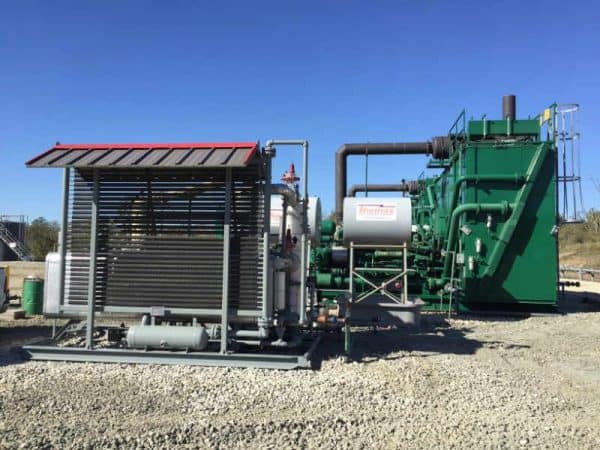
Fuel gas conditioning systems are one of the most critical yet frequently underestimated components in oil and gas operations. Whether at a compressor station, processing facility, or wellsite, these systems deliver clean, dry, properly heated, and pressure-regulated gas to engines, turbines, and fired equipment. When fuel gas conditioning systems are not properly engineered or maintained, […]
Why CROFT Fuel Gas Skids Outperform Generic Fuel Gas Conditioning Systems When evaluating fuel gas conditioning systems for compressor stations, many operators initially assume that all fuel gas skids are fundamentally the same. On the surface, most packages appear similar; they may all include a separator, filter, heater, regulator, and associated piping mounted on a […]
In modern oil and gas operations, compressor stations are only as reliable as the systems supporting them. While compressors, engines, and turbines often receive the most design attention, one of the most critical and frequently underestimated components of the entire station is the fuel gas conditioning system. When improperly designed, fuel gas conditioning can become […]

Overview Fuel gas conditioning is a critical upstream process step in any compressor station design. Before natural gas can reliably power engines, turbines, fired heaters, or instrument systems, it must be brought to a precise specification — clean, dry, heated, and pressure-regulated. Operators who underinvest in this portion of the system inevitably face the downstream […]
The Permian Basin is the most productive oil and gas region in the United States. Spanning West Texas and southeastern New Mexico, the basin produces millions of barrels of oil and massive volumes of natural gas every day. With thousands of wells and production facilities operating across the region, operators rely heavily on oilfield service […]
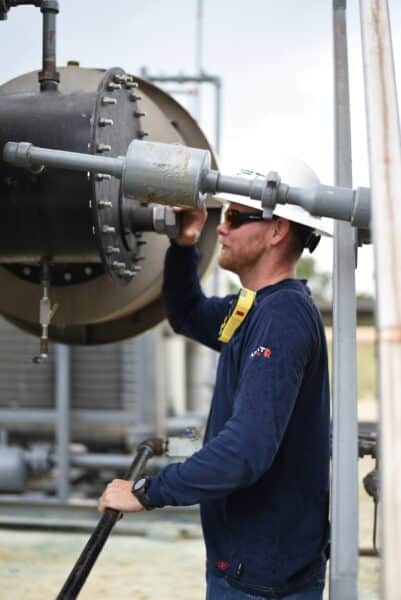
The Haynesville Shale is one of the most important natural gas producing regions in North America. Located primarily in East Texas and North Louisiana, the play has seen rapid growth due to its proximity to LNG export facilities and major natural gas pipelines. With this growth comes a strong demand for oilfield service companies that […]
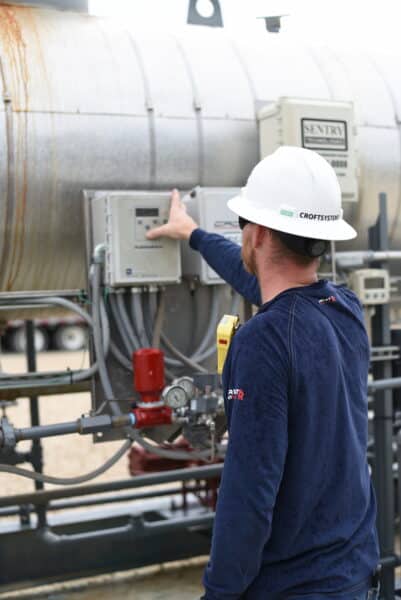
The Eagle Ford Shale is one of the most active oil and gas basins in North America. Stretching across South Texas, the region produces large volumes of crude oil, natural gas, and natural gas liquids, requiring a wide range of oilfield service companies, gas processing equipment providers, and field service teams to support daily operations. […]
In a glycol dehydration system, maintaining the health of your Triethylene Glycol (T.E.G.) is critical. Over time, glycol often becomes acidic due to thermal decomposition, the presence of oxygen and acid gases, or carryover into the unit. Left unchecked, acidic glycol leads to severe corrosion and equipment failure. Today, we’re covering the essential process of […]
Introduction Today we’re at a natural gas dehydration unit, often called a glycol system. Now these systems are used to dehydrate the natural gas by removing the water vapor that’s present in the natural gas to reduce corrosion and prevent hydrate formation. Now the way this system works is the gas will enter through the […]
Introduction Today we’re at a natural gas dehydration unit, often called a glycol system. Now these systems are used to dehydrate the natural gas by removing the water vapor that’s present in the natural gas to reduce corrosion and prevent hydrate formation. Now the way this system works is the gas will enter through the […]
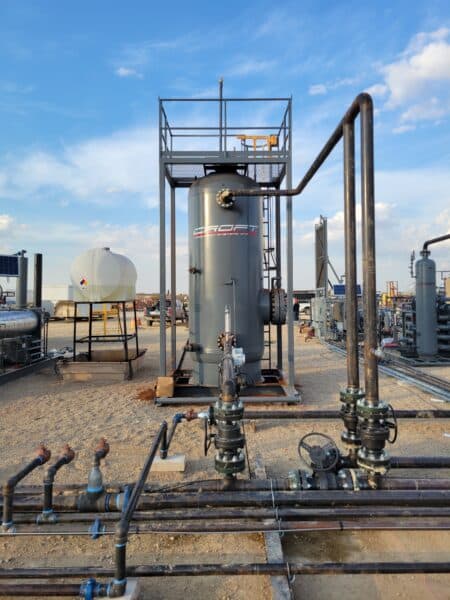
In the world of natural gas midstream and upstream operations, hydrogen sulfide (H2S) is a constant adversary. Left untreated, it corrodes infrastructure, poses severe health risks, and prevents gas from meeting pipeline quality specifications. Among the various desulfurization technologies available, Iron Oxide Systems (IOS)—often referred to as “iron sponge” or “solid bed scavengers”—remain a gold […]
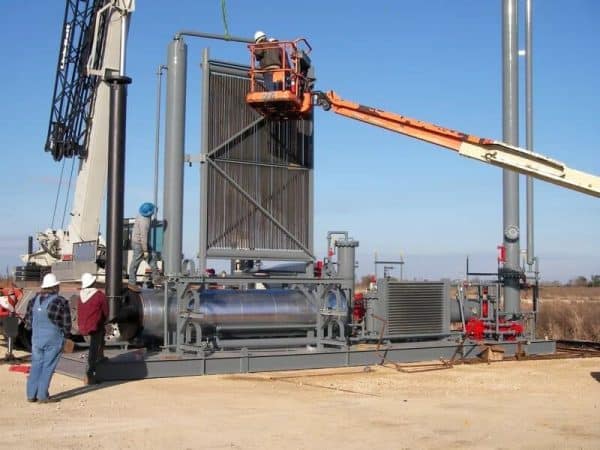
An amine plant, also known as an amine treating unit or gas sweetening unit, is a critical component in the oil and gas industry, designed to remove acidic components—primarily hydrogen sulfide H2S and carbon dioxide CO2 —from natural gas and other process streams. This process is essential for meeting pipeline specifications, protecting equipment from corrosion, […]
Industrial burners sit at the center of many oil and gas processing operations. From glycol dehydration units and amine plants to line heaters and fired process heaters, safe and efficient combustion is critical to production reliability, operating costs, and personnel safety. Yet burners are often treated as “set it and forget it” equipment. Over time, […]
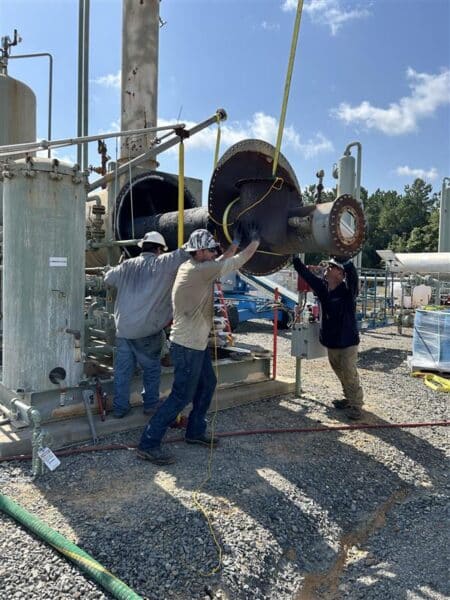
Complete Glycol Dehydration System Maintenance from Inspection to Startup Triethylene Glycol (TEG) dehydration systems are mission-critical assets in natural gas processing. When a TEG unit underperforms, the consequences are immediate—off-spec gas, excessive glycol losses, foaming, corrosion, and unplanned shutdowns. That’s why professional TEG cleanout and overhaul services are essential for operators seeking reliable dehydration performance […]
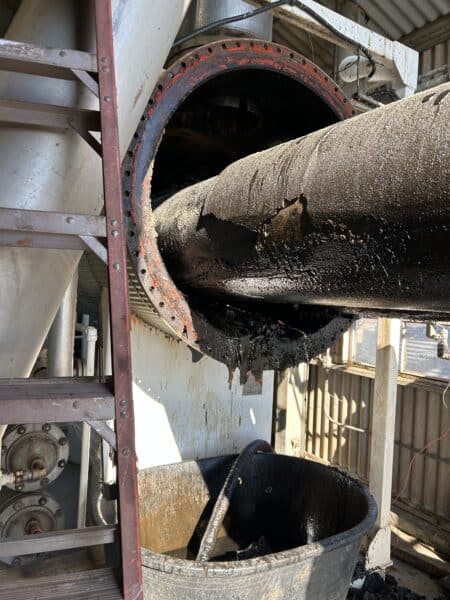
Case Study Blog: How Chlorides Affect Glycol Dehydrators in Natural Gas Processing Glycol dehydration units are critical in the natural gas industry for removing water vapor from raw gas streams to meet pipeline and sales gas specifications. Among the many contaminants and operational challenges that glycol dehydrators face, chlorides (e.g., NaCl, CaCl₂, MgCl₂) stand out […]
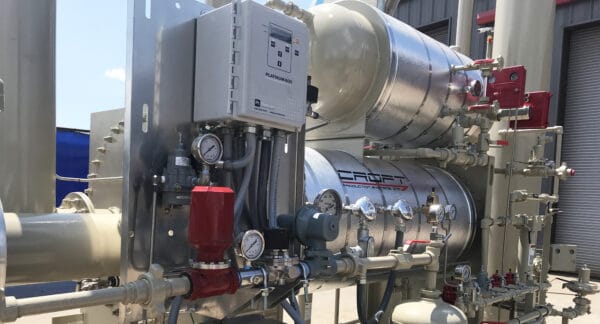
The Due Diligence Deep Dive: Top 10 Questions to Ask Before Buying a Glycol Dehydrator In the world of natural gas processing, removing water vapor is not just a regulatory requirement—it’s a fundamental necessity for preventing corrosion, inhibiting the formation of dangerous gas hydrates, and ensuring the gas meets pipeline quality specifications typically 7 pounds […]

The Due Diligence Deep Dive: Top 10 Questions to Ask Before Buying a JT Plant In the upstream and midstream sectors of the oil and gas industry, efficiency, recovery, and regulatory compliance are the cornerstones of profitability. A Joule-Thomson (JT) Plant—a simple, elegant piece of technology leveraging the cooling effect of gas expansion—is often the […]
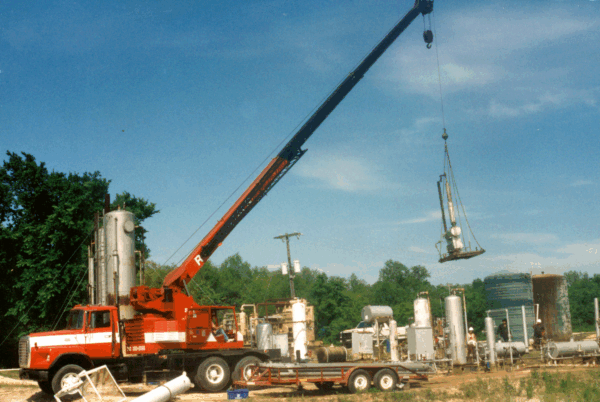
Preston Croft was raised in a hardworking family in South Texas in the 1950s. Surrounded by people who valued both effort and humor, he learned the importance of perseverance early on. His father and grandfather spent their careers in the oil and gas industry. Growing up with limited means, Preston learned to appreciate and take […]
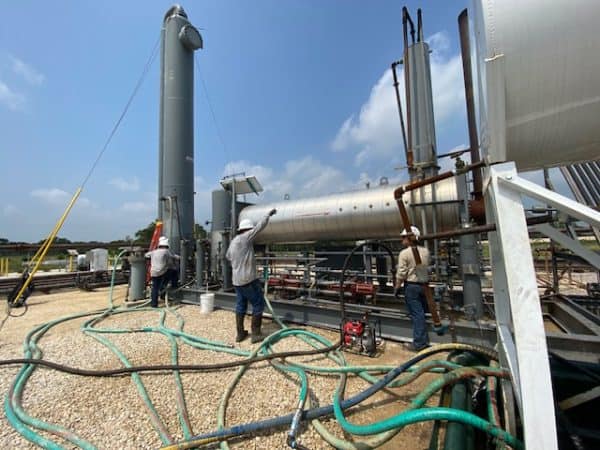
Removing water moisture from natural gas is critical to ensure safe transportation and processing in oil and gas processing. One of the most widely used technologies for this purpose is the glycol dehydrator, typically utilizing Tri-ethylene Glycol (TEG) to absorb water vapor. Like all equipment exposed to harsh operating environments, glycol dehydrators require periodic cleaning […]
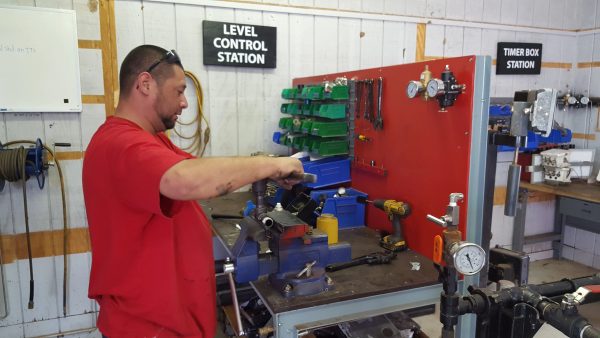
The transition from reactive maintenance to proactive preventative service has become a game-changer in the oil and gas industry. It’s not merely a shift; it’s a strategic move that safeguards against failures, minimizes downtime, and maximizes production efficiency, ultimately translating into enhanced profitability. At Croft Production Systems, we understand preventative maintenance’s pivotal role in natural […]