

Our Products
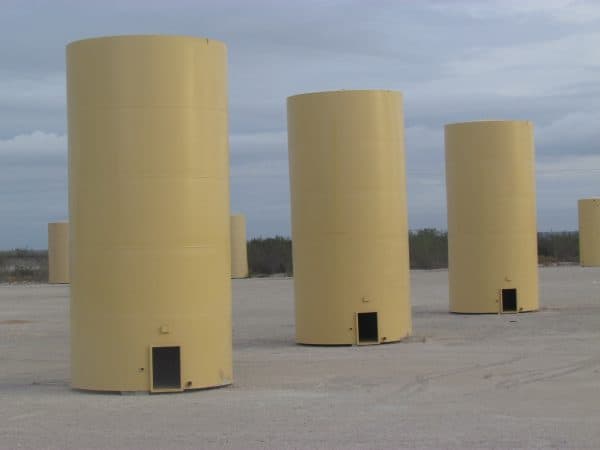
Oil storage tanks serve as a staging area to collect crude oil in several stages of production. These tanks are used in production fields and hold the oil until it is delivered to tankers or into a pipeline. Storage tanks are also used as a holding area for crude oil before the refining process and they also hold refined products after it is processed.
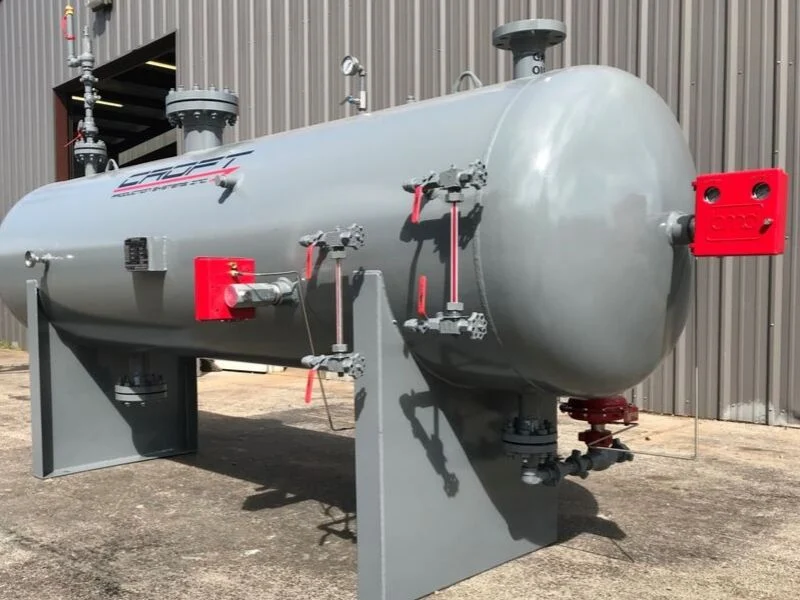
A separator is a mechanical device for removing and collecting liquids from natural gas. Read our blog on What is a Separator? to learn more about the specific applications for a separator. Now, let’s dive in on the specifics of how a separator works and understanding the process a little more in-depth. The Separation Process: All separators […]
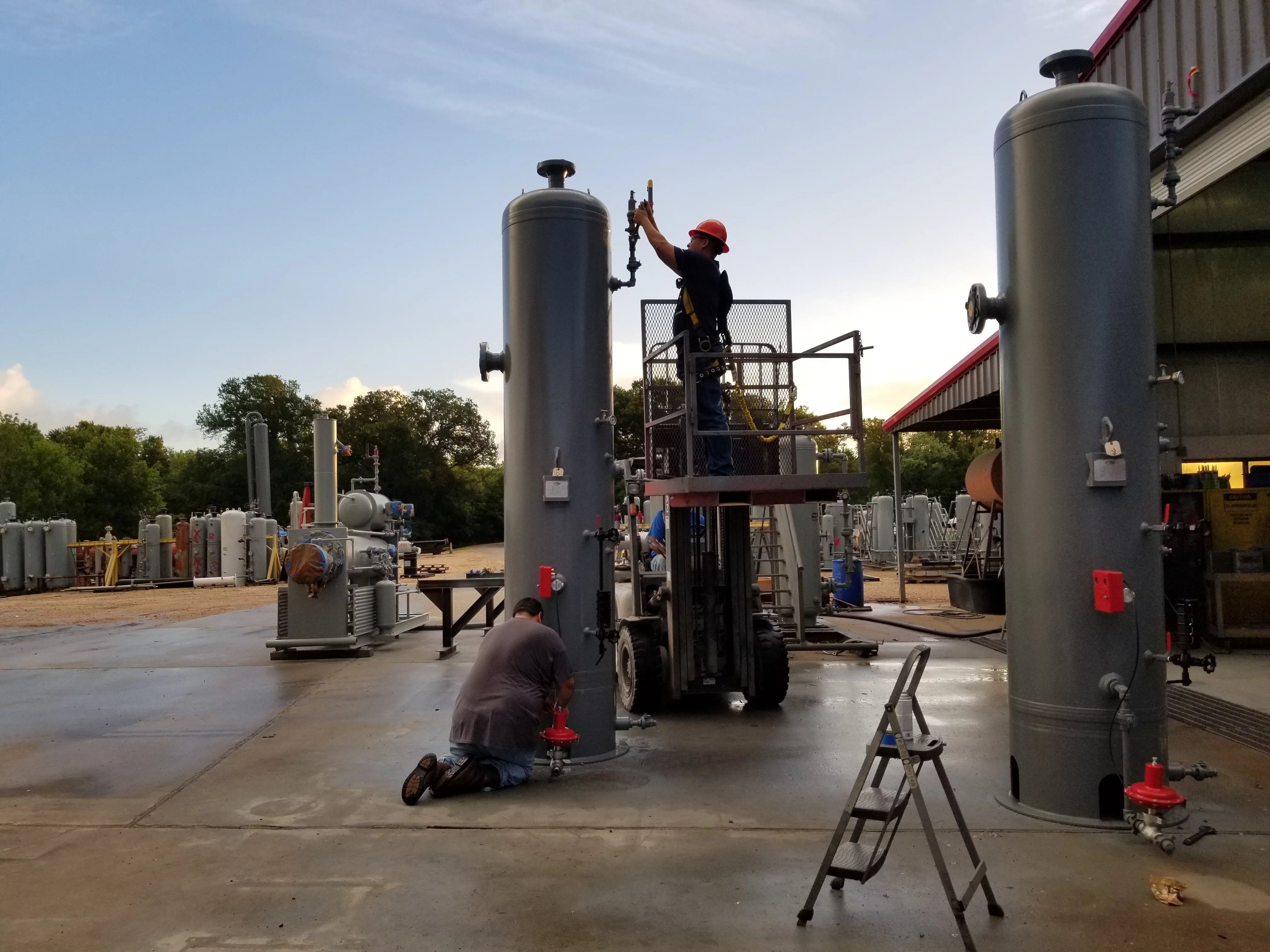
An oil and gas separator is used for removing and collecting liquids from natural gas. A properly designed separator will also provide the release of entrained gases from the accumulated hydrocarbon liquids. These separators can go by many names or different purposes like liquid separators, oil separators, water and oil separators, etc., but the most […]
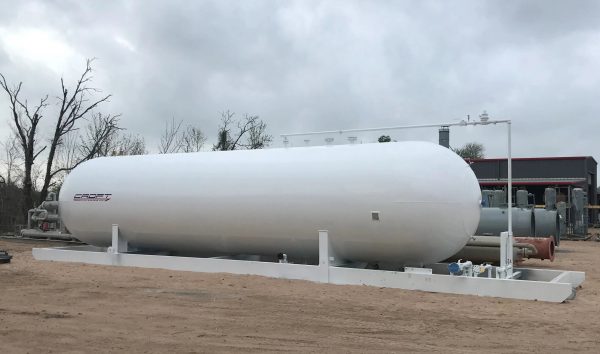
Engineer, Eric Orellana, talks about bullet tanks, their features and NGL recovery. Read more about CROFT bullet tanks and their features. What is a Bullet Tank? Transcription Hi, my name is Eric Orellana, I’m an engineer here at Croft Production Systems. Today I’ll be talking to you about bullet tanks and some of their features. […]
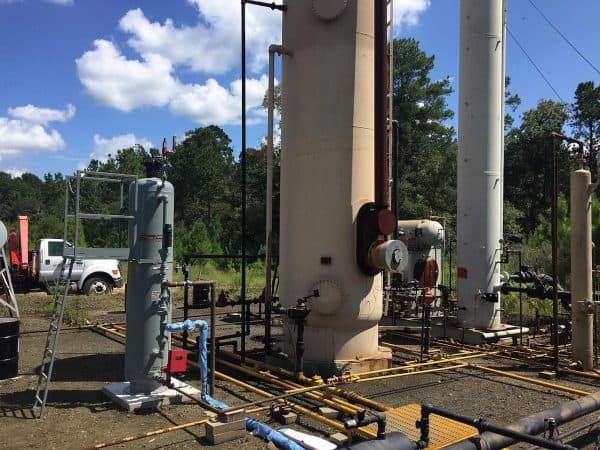
Do you dread the anticipation of having to clean out your TEG? Having to shut down your operation for a few weeks? Here at CROFT we offer a mobile Passive Dehydration System. It is a quick, easy and a temporary way to bypass a TEG and continue to dehydrate the gas while your TEG is […]
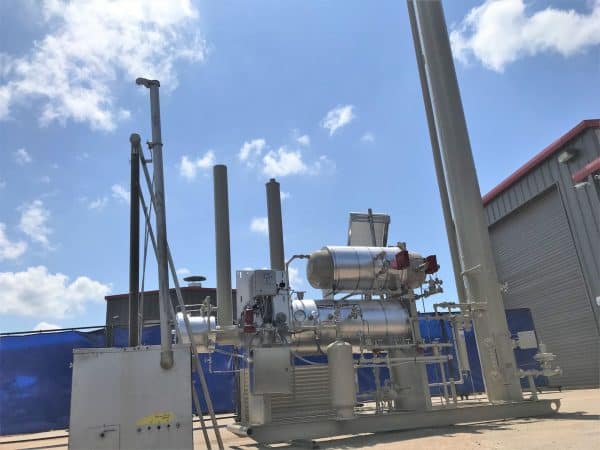
What is a Glycol Dehydration Unit? Triethylene glycol (TEG) unit or glycol dehydrator is a liquid desiccant system used for the removal of water from natural gas and NGLs. It is the most commonly used means of water removal from natural gas. A TEG Unit also referred to as a glycol unit, uses absorption, which […]
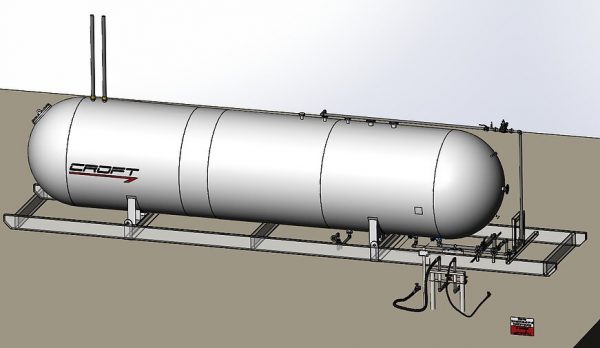
There are many guidelines that our industry must follow to ensure there is a safe environment for everyone. At CROFT, we follow the same standard and safety guidelines for all of our equipment and bullet tanks are no exception. Last week we told you what a bullet tank was and what it is used for. […]
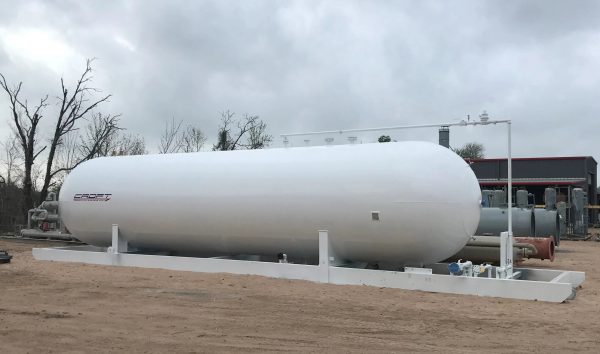
A bullet tank is a storage container that houses natural gas liquids (NGLs). The tanks come in many different sizes and include accessories that best suit your operation. Bullet tanks range from 6,000 to 30,000 gallons, with an 18,000-gallon tank being the most common size. Tanks should be no more than 70-80% full in order for […]
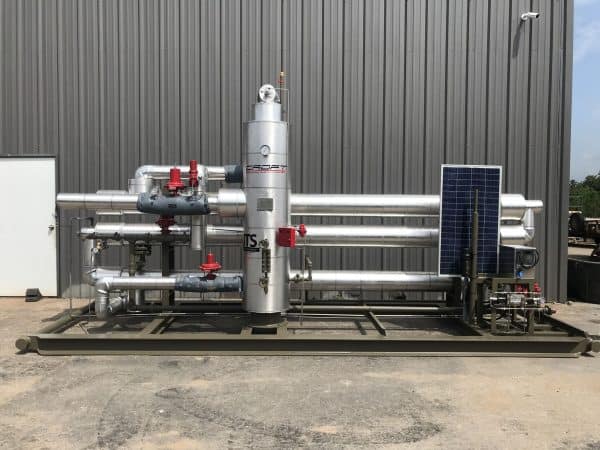
JT systems are primarily used for NGL recovery, dew point specification for pipeline spec, and the reduction of the BTUs of the natural gas for natural gas-powered engines.
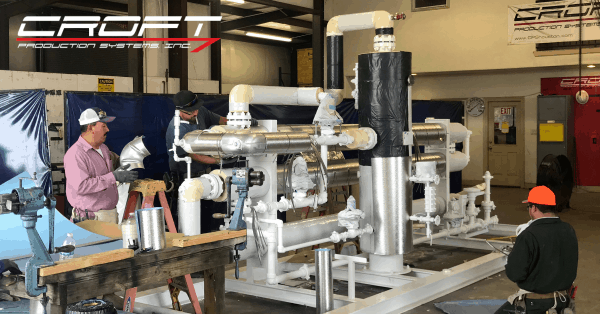
This timelapse video shows the two day-long insulation process in just 30 seconds. Joule Thomson Systems (JT) are important systems in your surface processing operations, and if the piping and heat exchangers are poorly sealed or insulated they are likely contributing to lower efficiency gains and consistent cold separator temperatures. The Joule Thomson System simultaneously reduces the […]
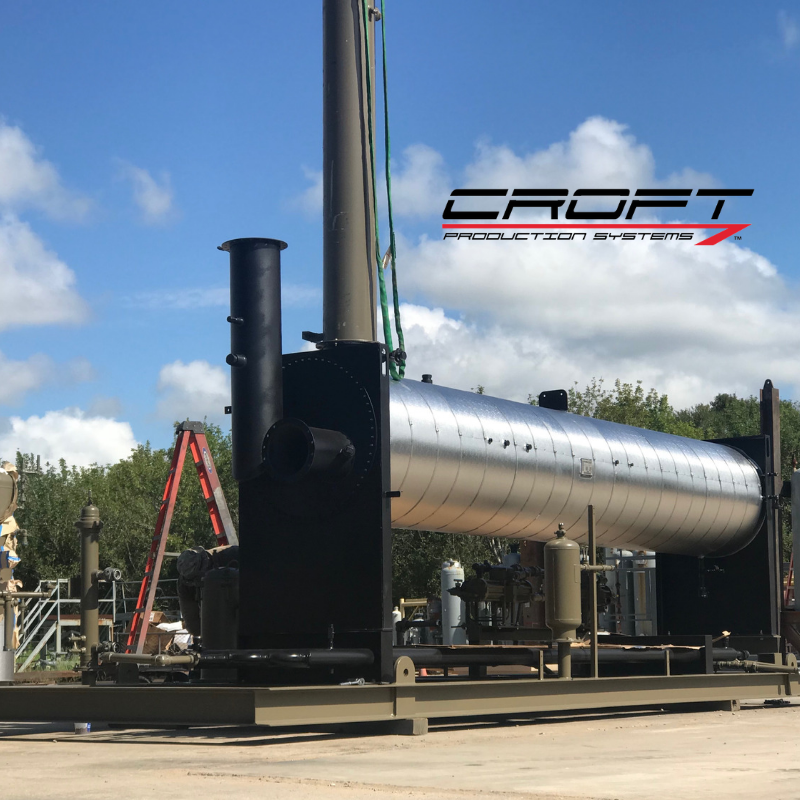
Watch this 1-minute Time-Lapse video of a 10-hour workday spent assembling a TEG. This unit has now gone through implementation, and will be ready to ship to the customer early next week. Thanks For Watching: Thanks for checking out our video, if you have an application you’re working on, or questions in general, please feel […]
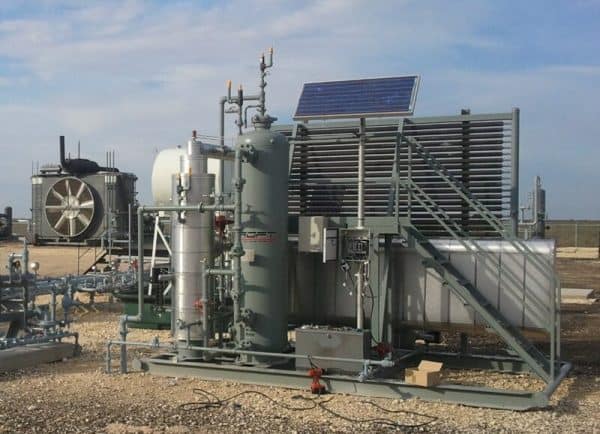
Croft has just installed a Fuel-gas Conditioning System (FCS) for a new client in the Eagleford and is already showing excellent results. The unit, our FCS-500, takes the high pressure/high temperature gas from the discharge of the compressor and cools, separates, dehydrates, reduces the BTU, and reduces the pressure to the required fuel system PSI. The reduction […]
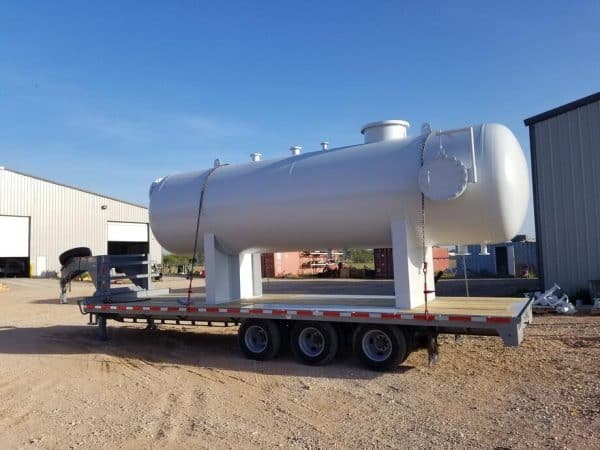
This week our Guest Blogger is Jacob Jennings, the Business Development Manager at Kimray, Inc. ! Let’s talk about traffic for a minute. In any city, cars, trucks, and buses ebb and flow, stop and start, honk and purr. City governments must use several tools to control the flow of traffic through their street—primarily driving lanes, traffic lights, […]

*Updated May 2020 Working on an oil & gas site can be dangerous in many ways. This is why many procedures and protocols are in place for accident prevention. Let’s hone in on safety gear and protocols specific to working with H2S, as this directly affects many of our clients and our field service team. […]
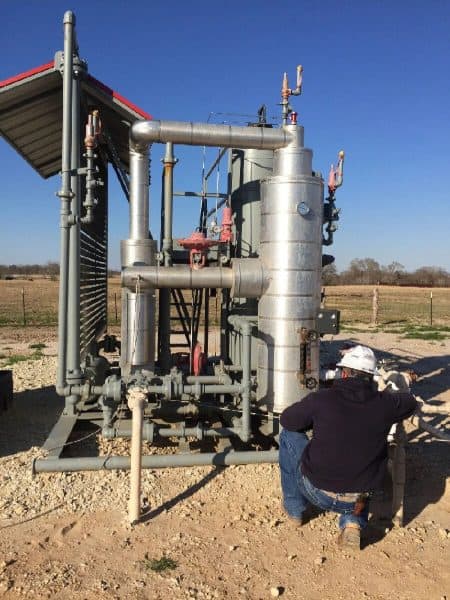
Last week my fellow blogger, Amy, and I wrote on utilizing stranded gas and well gas for running well site equipment such as generators and how Croft’s FCS, JTS, and CIS can help clean that gas so it won’t tear up the equipment. Well since we are on a roll, I want to continue the topic of using well gas but instead, using […]
- « Previous
- 1
- 2
- 3