
Glycol Dehydration Products
Introduction In a glycol dehydration system, maintaining the health of your Tri ethylene Glycol (T.E.G.) is critical. Over time, glycol often becomes acidic due to thermal decomposition, the presence of oxygen and acid gases, or carryover into the unit. Left unchecked, acidic glycol leads to severe corrosion and equipment failure. Today, we’re covering the essential […]
Introduction Today we’re at a natural gas dehydration unit, often called a glycol system. Now these systems are used to dehydrate the natural gas by removing the water vapor that’s present in the natural gas to reduce corrosion and prevent hydrate formation. Now the way this system works is the gas will enter through the […]
Introduction Today we’re at a natural gas dehydration unit, often called a glycol system. Now these systems are used to dehydrate the natural gas by removing the water vapor that’s present in the natural gas to reduce corrosion and prevent hydrate formation. Now the way this system works is the gas will enter through the […]
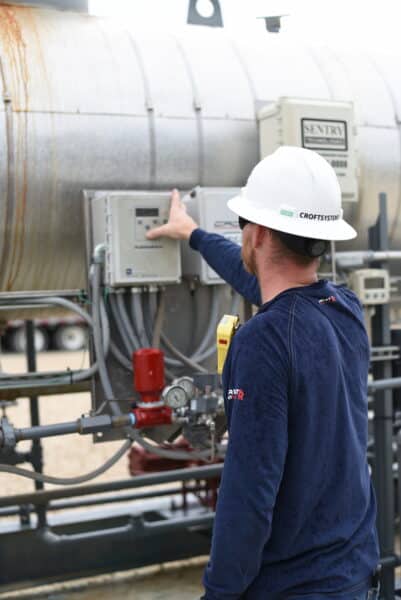
Industrial burners sit at the center of many oil and gas processing operations. From glycol dehydration units and amine plants to line heaters and fired process heaters, safe and efficient combustion is critical to production reliability, operating costs, and personnel safety. Yet burners are often treated as “set it and forget it” equipment. Over time, […]
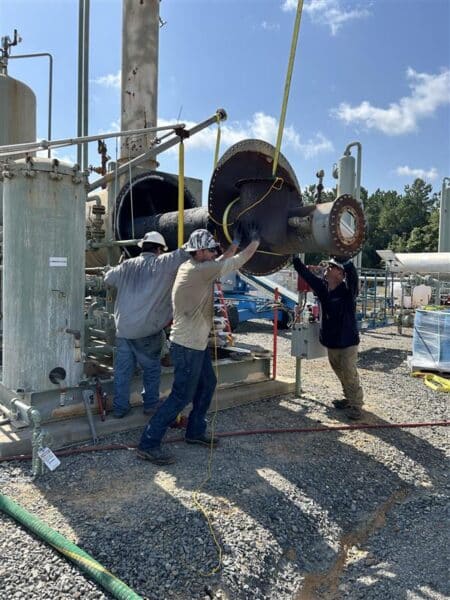
Complete Glycol Dehydration System Maintenance from Inspection to Startup Triethylene Glycol (TEG) dehydration systems are mission-critical assets in natural gas processing. When a TEG unit underperforms, the consequences are immediate—off-spec gas, excessive glycol losses, foaming, corrosion, and unplanned shutdowns. That’s why professional TEG cleanout and overhaul services are essential for operators seeking reliable dehydration performance […]
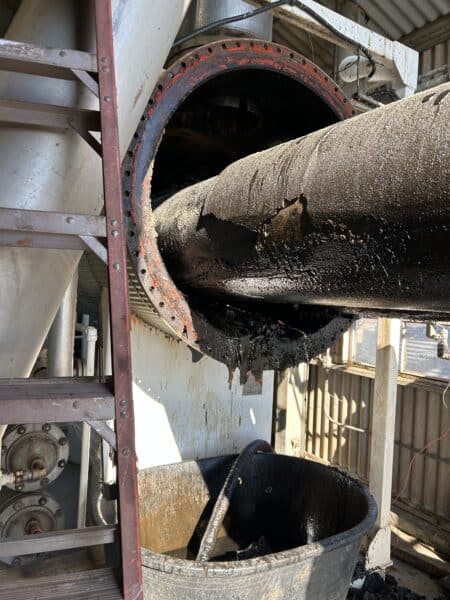
Case Study Blog: How Chlorides Affect Glycol Dehydrators in Natural Gas Processing Glycol dehydration units are critical in the natural gas industry for removing water vapor from raw gas streams to meet pipeline and sales gas specifications. Among the many contaminants and operational challenges that glycol dehydrators face, chlorides (e.g., NaCl, CaCl₂, MgCl₂) stand out […]
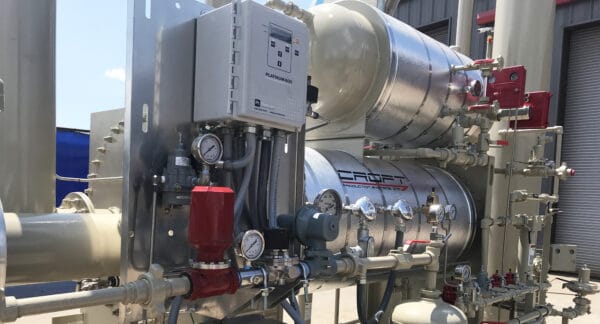
The Due Diligence Deep Dive: Top 10 Questions to Ask Before Buying a Glycol Dehydrator In the world of natural gas processing, removing water vapor is not just a regulatory requirement—it’s a fundamental necessity for preventing corrosion, inhibiting the formation of dangerous gas hydrates, and ensuring the gas meets pipeline quality specifications typically 7 pounds […]
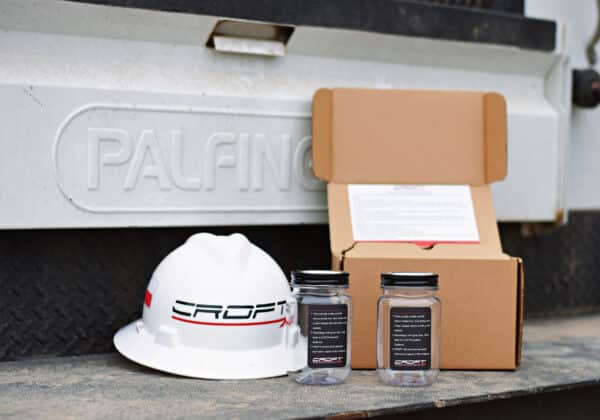
Tri-ethylene Glycol Dehydrators (TEG) are critical to natural gas processing, if not properly monitor the glycol can contaminate or degrade over time. CROFT Production Systems offers a comprehensive Glycol Analysis Program. Design to give operators detailed insight into the health of their dehydration unit by identifying early on to help extend the life of your […]
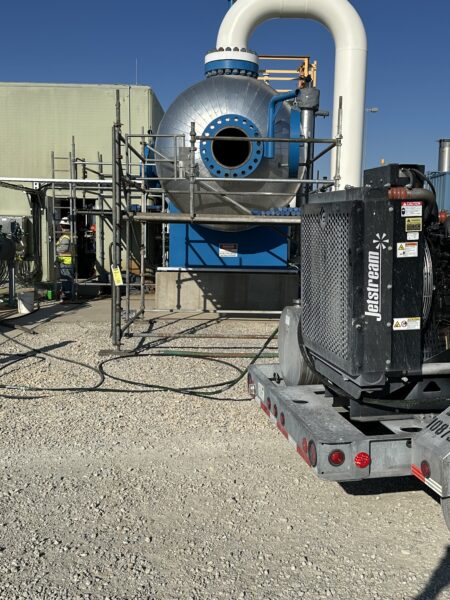
What is Hydrolancing Hydrolancing, also known as jet cleaning or high-pressure water blasting. It is a type of cleaning method using a high-pressure water jetting process removing scales, deposits, and buildup from the interior and exterior of gas processing and production equipment. Heat exchangers, glycol dehydrators and piping systems overtime can produce buildups that will […]
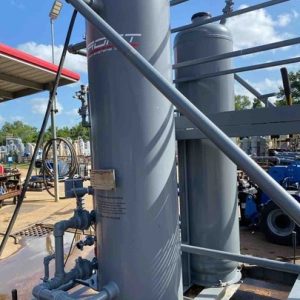
Operational demands can change quickly. When your TEG requires a clean-out or operational challenges arise, shutting down isn’t just inconvenient; it is also expensive. Cost, production, and time are all being put on hold, which causes downtime for the company and the operators on-site. Wouldn’t it be preferable to have equipment on standby, ready to […]
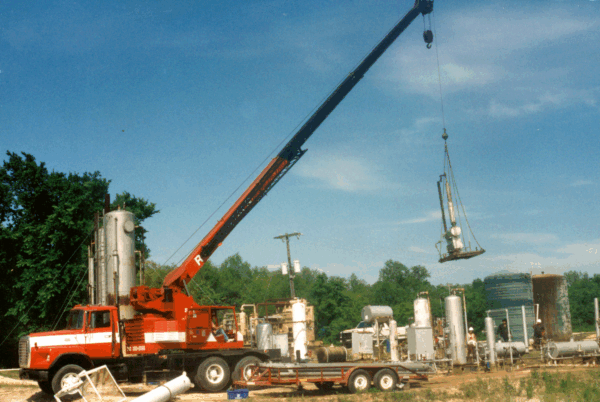
Preston Croft was raised in a hardworking family in South Texas in the 1950s. Surrounded by people who valued both effort and humor, he learned the importance of perseverance early on. His father and grandfather spent their careers in the oil and gas industry. Growing up with limited means, Preston learned to appreciate and take […]
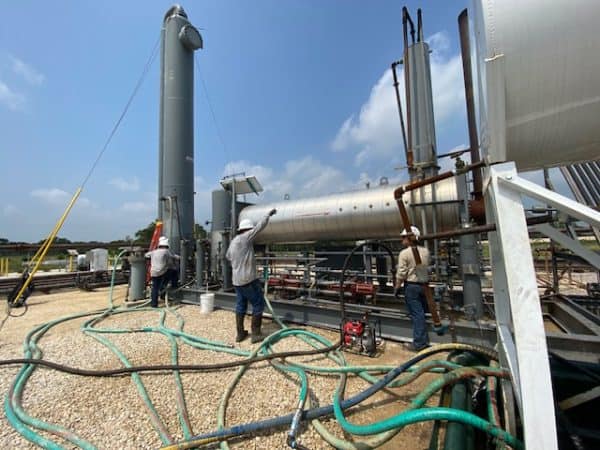
Removing water moisture from natural gas is critical to ensure safe transportation and processing in oil and gas processing. One of the most widely used technologies for this purpose is the glycol dehydrator, typically utilizing Tri-ethylene Glycol (TEG) to absorb water vapor. Like all equipment exposed to harsh operating environments, glycol dehydrators require periodic cleaning […]
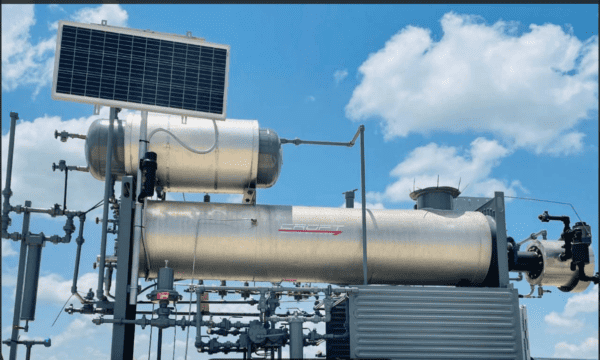
Natural gas, a vital energy source for various industries, often requires careful treatment before being transported and utilized efficiently. Dehydration is a critical process in preparing natural gas for distribution. This post delves into the fascinating world of Tri-ethylene Glycol (TEG) systems, a standard method for natural gas dehydration. We explore the importance of this […]
In the oil and gas industry, natural gas dehydration plays a crucial role in ensuring safety, efficiency, and meeting pipeline specifications. Over-saturated gas can lead to corrosion, equipment damage, and non-compliance with industry standards. Gas dehydration removes excess water vapor from natural gas streams to combat these issues. In this blog post, we will delve […]
This virtual roundtable discussion explores topics related to processes and equipment used in CO2 and H2S removal.
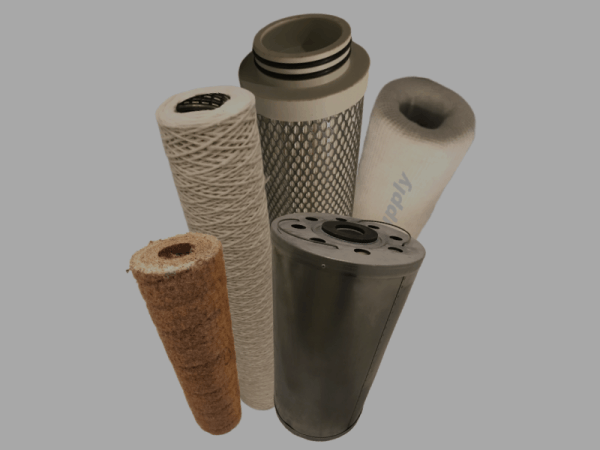
Get answers to our client’s most frequently asked questions about filtration for amine plants, glycol dehydrators, and coalescing filters.

In this webinar, Saving Money in Operations: Glycol Dehydration, we engage with experts discussing glycol dehydration units and optimization.
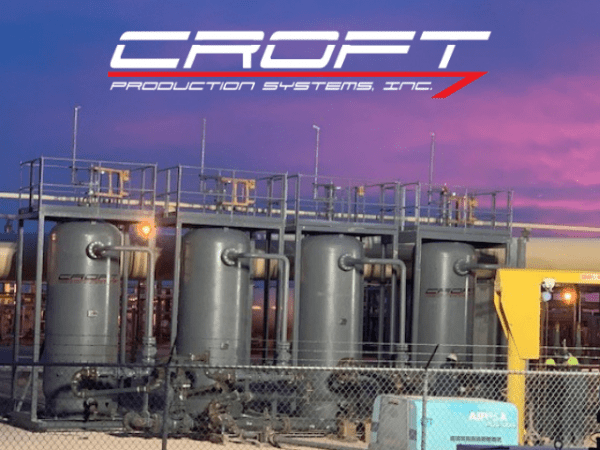
Most customers dread having to conduct a full cleanout of a TEG dehydrator. The cleanout sometimes implies shutdowns or drop in capacity. One of the ways CROFT designed the Passive Dehydration System (PDS) is to be utilized as a quick, easy, and a temporary way to bypass a TEG and continue to dehydrate the gas while your TEG is shut down and getting serviced/cleaned out.
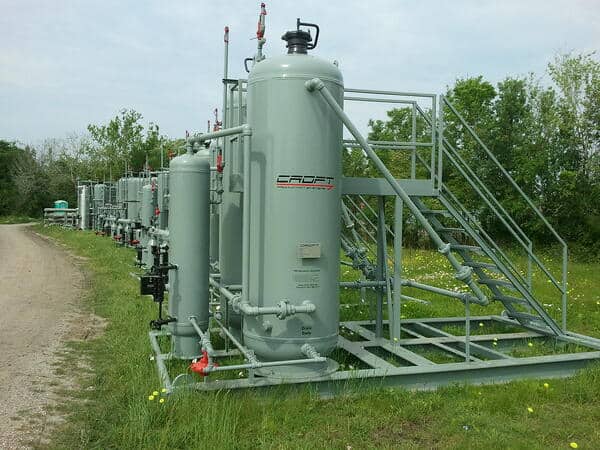
Absorption vs. Adsorption Dehydrating natural gas, or the removal of water vapor from natural gas can be done by either adsorption or absorption. Croft’s Passive Dehydration System uses adsorption, where water vapor is collected and condensed on the surface with the use of a solid desiccant. Solid desiccants have a high adsorption capacity, a low resistance to gas […]
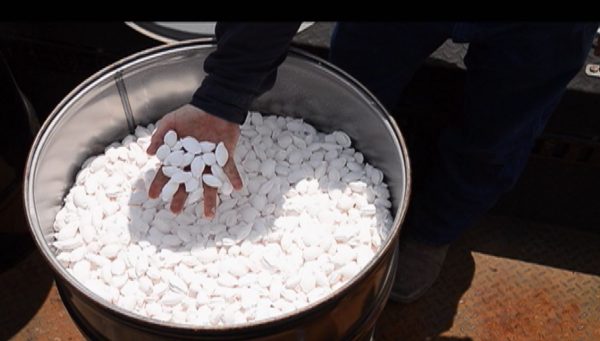
Solid desiccant dehydration is a safer alternative to gycol dehydration, which uses a liquid desiccant to absorb water from the gas.